
Racial Equity & Inclusion Action Plan | Phase 1
San Francisco Police Department's Racial Equity Leadership Team
Executive Leadership Team
William Scott, Chief,
[email protected]
Robert Moser, Assistant Chief,
[email protected]
Michael Redmond, Assistant Chief,
[email protected]
Greg Yee, Deputy Chief,
[email protected]
Catherine McGuire, Executive Director,
[email protected]
San Francisco Police Department is governed by the City’s policy which states in part “[d]iscriminating against, or harassing City and County of San Francisco (City) employees, applicants, or persons providing services to the City by contract, including supervisory and non-supervisory employees, because of their sex, race, age, religion, color, national origin, ancestry, physical disability, mental disability, medical condition (associated with cancer, a history of cancer, or genetic characteristics), HIV/AIDS status, genetic information, marital status, sexual orientation, gender, gender identity, gender expression, military and veteran status, or other protected category under the law is prohibited and unlawful. (See Equal Employment Opportunity (EEO) policy in the City and County).
Operations Team
Tiffany Sutton, Director of Crime Strategies Division & Equity & Inclusion Coordinator,
[email protected]
Wilfred Williams, Lieutenant,
[email protected]
William Ahern, Officer,
[email protected]
Jeanne Chisholm, Manager of Special Projects
[email protected]
Pamela Dungo, Cadet,
[email protected]
Ramneet Bajwa, Cadet,
[email protected]
Strategic Leadership Team
Steve Ford, Commander of Administration,
[email protected]
Diana Oliva-Aroche, Director of Policy & Public Affairs,
[email protected]
Robert O’Sullivan, Commander of Risk Management
Robert.O’[email protected]
Patrick Leung, Director of Finance,
[email protected]
Daryl Fong, Commander of Community Engagement & HSOC,
[email protected]
Jason Cunningham, Manager of Professional Standards & Principle Policing,
[email protected]
Racial Equity Leaders
Benjamin Houston, Human Resources Manager,
[email protected]
Christina Serrano, Sergeant of Recruitment Unit,
[email protected]
Luciana Ng, Recruiter,
[email protected]
Steven Betz, Legal Counsel - Internal Affairs Division,
[email protected]
Jack Hart, Captain of Police Academy,
[email protected]
Katie Lee, Senior Administrative Analyst,
[email protected]
Penny Si, ADA Coordinator,
[email protected]
Lili Gamero, Legislative Liaison
[email protected]
Anthony Tave, Building and Grounds Maintenance Superintendent,
[email protected]
Torrie Grady, Sergeant of Community Engagement,
[email protected]
Celeste Berg, Human Resource Analyst,
[email protected]
Tony Chow, Human Resource Analyst,
Tony.Chow @sfgov.org
- Executive SummaryImage
The Racial Equity Action Plan (REAP) is a strategic plan for the San Francisco Police Department (SFPD), guided by the Citywide Racial Equity Framework, to enact institutional and structural change to achieve racial equity and inclusion. This Plan, which will be released in two phases, is guided by the vision to create a city and organization where diversity2, inclusion and belonging are advanced; racial and social equity disparities are reduced short-term, and eliminated long-term; and racial and social equity is achieved, establishing equalized access, opportunity, and outcomes for all.
It is the goal of the San Francisco Police Department’s Racial Equity Action Plan to ensure policing practices that require us to build equitable and inclusive relationships within our organization and the community. “We understand that it is necessary for law enforcement to listen to the African American community and embrace courageous changes to address disparate policing practices, and we recognize it will take sacrifice on our part to fulfill the promise of reform.” “The whole world is speaking to us and we need to hear what’s being said, we have to change the way we do policing in this country” SFPD Chief William “Bill” Scott.
SFPD is committed to equity as a core tenet of our values, culture, and institutional practices. Over the years, SFPD made progress in creating a more diverse and inclusive police department. However, our review of current conditions in the seven internal focus areas established in the Citywide Racial Equity Framework brought to light racial disparities that do not align with our values and highlighted key structural barriers and patterns that perpetuate racial exclusion within the SFPD if not addressed. Though it is the perception that the SFPD failed to properly implement policy changes, there recently were significant steps taken by the SFPD to ensure that a philosophy of racial equity and inclusion permeates the entire Department. When examining this philosophy, the SFPD realize we must also be representative of the racial, ethnic and gender makeup of our City.
In summary, it is the objective of the SFPD’s REAP to ensure that all of its members, professional or sworn, have the same equal opportunity and access to promotion and advancement opportunities. The research and data contained in the SFPD’s REAP will reflect past, present, and future efforts to identify areas where racial equity and inclusion have and will continue to improve. This document, “Phase One” of the Plan, focuses on the work that must be done to ensure our worksites are supportive for all employees. It does so by assessing current conditions in several key focus areas for all employees, and identifying necessary staffing and resources (e.g. Hiring, Recruitment, Retention, Promotion, Mobility and Professional Development). Finally, holding our agency accountable by setting timely, measurable goals and commitments (e.g. Discipline, Separation, Organizational Culture of Inclusion, Diverse and Equitable Leadership). wwIt is the SFPD’s overachieving goal to maintain racial equity and inclusion in hiring, patrol, and leadership, realizing it’s not only the right thing to do for equity and inclusion, but also improves the SFPD’s mission to provide “Safety with Respect”.
2 Diversity includes race, ethnicity, gender, sexual orientation, socio-economic status, age, physical abilities, religious beliefs, political beliefs, or other ideologies. Further defined in the Glossary Section.
Image
San Francisco Police Department’s Vision For Racial Equity & Inclusion
The SFPD’s vision is to seek out the appropriate measures, empower its marginalized employees, and dismantle patterns of racism and injustice within all sections of the organization. It is paramount that as the Department continues to grow and move into the 21st Century, we create a culture of learning and reflection. We must continue to strive to build a culture of inclusion and belonging for all Department members and the diverse communities we serve and protect. We recognize the most valuable asset of our Department is the dedicated sworn and professional members that show up to work every day to serve the city of San Francisco. The Department has engaged in a journey that is charting a planned course of action focusing on developing racial equity and inclusion. Procedural Justice stipulates in order for external procedural justice to be effective, internal procedural justice must be pursued and actively practiced by leaders of the San Francisco Police Department.
- San Francisco Police Department’s BackgroundImage

Decades of experience have taught us that law enforcement is a collaborative effort requiring honest, open, and positive relationships with the communities we serve. When we lose the people’s trust, we lose their cooperation. Put simply: If people do not believe they are treated fairly, they will not work with us and we cannot maintain the safety of the public. Historically, the SFPD (1849) is the third oldest police department established in the United States, only the Boston Police Department (established in 1838) and the New York Police Department (established in 1845) have been in existence longer.The SFPD is also the oldest established law enforcement agency in the State of California, with the Los Angeles Police Department being established in 1869. During those years, law enforcement witnessed many changes, not only in the equipment and technology to perform the duties needed to keep our communities safe, but with the degree of diversity needed to mirror our community. However, the question remains how much was done, and does it adequately represent the community it serves as a means to develop trust.
As early as 1916, the SFPD appointed the first woman, Daisy Simpson to the Morals Squad to look for violators of the Volstead Act during Prohibition. In 1948, the SFPD hired its first African-American Police Officer, and 1957, Police Chief Frank Ahern appointed Herbert Lee the SFPD’s first sworn Chinese-American. In 1975, the SFPD hired 28 women, all of whom attended the SFPD Academy Class #126. However, due to the slow progress of equal access to jobs and promotions for minorities, in 1973, the Officers for Justice filed a lawsuit against the SFPD. At that time, it was alleged that the SFPD engaged in a pattern of employment discrimination based on sex, race, and national origin.
In March of 1979, a settlement was reached between the City and County of San Francisco and several parties interested in changing the recruitment, selection, and promotional practices of the SFPD. This settlement, called the Consent Decree, established the long term goal of substantially increasing the people of color and female composition of the police department so that it would more closely reflect the racial, ethnic, and sexual composition of the labor force of the City and County of San Francisco. In order to meet specific recruitment, hiring, and promotion goals, the City was ordered to establish the “Consent Decree Unit” within the police department with responsibility for recruitment and examinations for sworn classifications in the police department. In 1998, a U.S District Judge ended the Consent Decree after almost 20 years stipulating that the department made exceptional improvement in respects to hiring and promoting women and minorities. Nevertheless, efforts continue today for the SFPD to become more diverse. People of color continue to remain underrepresented within the SFPD. People of color do not reflect the racial and ethnic makeup of the city, even though statistically the SFPD is 45% White males and 55% people of color (including Black, Hispanic, Asian, Filipino, Native American, Other and Women).
In 2008, The Police Executive Research Forum (PERF) was hired by the City of San Francisco to evaluate the SFPD in four areas that are often examined in police management studies: organizational structure; staffing; human resource processes; and the department’s approach to use of force and its Early Intervention System. After PERF conducted their research on the SFPD, their findings suggested the following areas needed improvement:
- expanding community policing, problem-solving and community engagement to prevent and control crime and improve the quality of neighborhood life,
- creating and maintaining a workforce and an organization that reflects the city and its values,
- ensuring accountability and transparency, and
- building leadership and developing personnel.
Upon completion of the PERF study, it was the belief that with commitment and enthusiasm from the community, the police department, and government officials, the recommendations made in the study were achievable.
The people of San Francisco are among the voices calling for urgency in police reform and building trust between law enforcement agencies and communities. A series of incidents involving the SFPD raised questions about the department’s use of force practices, accountability, and oversight of its practices. These incidents include the following:
- In 2015, the SFPD was involved in six fatal officer-involved shootings.4
- In a 2010 criminal investigation, a series of racist, sexist, and homophobic text messages was found to have been shared among a group of SFPD officers.5 The public was not informed about this issue until February 2014.6
- In a similar incident made public in early 2016, prosecutors investigating an alleged sexual assault involving an SFPD officer discovered a series of racist and homophobic texts shared among the accused officer, his supervisor, and several additional SFPD officers in 2015.7
As a result of the communities’ growing lack of trust with SFPD, on April 29, 2016, the U.S. Department of Justice (DOJ) Community Oriented Policing Services (COPS) and the City and County of San Francisco entered into a Memorandum of Agreement. The purpose was to assess, monitor, and assist the SFPD in collaboration with the community, in the implementation and sustainment of reforms that increase public trust. Trust can be achieved through improvement in such domains as community policing practices, transparency, professionalism, and accountability. The assessment noted that SFPD does not adequately represent diversity within the organizations, especially in the supervisory and leadership roles of the rank and file. Through the DOJ assessment, there were 91 findings and 272 recommendations. The findings centered upon the following categories:
- use of force policies and practices,
- policies, practices, and training to address issues of bias in policing,
- community policing strategies and protocols,
- policies and practices regarding complaint and disciplinary processes, and
- recruitment, hiring, and personnel practices.
As of today, SFPD is courageously striving to adhere to all 272 of the recommendations endorsed by the DOJ and committed to changing the culture. However, throughout the years of the Department, key themes continue to emerge that are harmful to an environment of equity, inclusion, and belonging. Unless we are truly willing to accept the transgressions of our past, we will never be able to move forward and create a department of equitable accountability for all its members.
3 As of November 30, 2020, San Francisco Police Department had 2979 employees; San Francisco Police Department’s annual budget for fiscal year 20202021 is $668 (with a 25 million dollar cut to reallocate to the San Francisco African American communities.)
5“Government’s Opposition to Defendant Furminger’s Motion for Bail Pending Appeal,” United States of America v. Ian Furminger, No. 3:14-CR-00102CRB-1; N.D. Calif., filed March 13, 2015.
6Vivian Ho, “Officers in Texting Case Win Key Ruling,” San Francisco Chronicle, December 22, 2015.
7Tamara Aparton, “Bigoted Text Messages to Affect 200+ Cases,” San Francisco Public Defender, last modified April 26, 2016
- San Francisco Police Department’s Current WorkforceImage
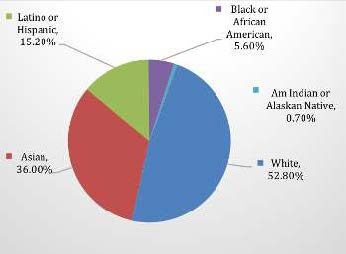
Figure 1-San Francisco PopulationBy Race/Ethnicity (Data source: US Census, 2019) In 2019 the US Census estimated the population of San Francisco to be 881,559. San Francisco population reported 52.8 % white residents and 47.2% Black, Indigenous, and People of Color (BIPOC). The racial/ethnic breakdown reported by the 2019 US census was 5.6 % Black or African American residents, 15.2% Latino or Hispanic, 36% Asian residents and .7% American Indian or Alaskan Native. Those race/ethnicity categories were chosen based on one race alone. An additional 4.5% of the population listed 2 or more races. See Figure 1.
Figure 2-All SFPD Personnel by Race/Ethnicity Race Count
%
WHITE 1,281
43.00%
ASIAN 627
21.05%
HISPANIC 485
16.28%
BLACK 302
10.14%
FILIPINO 216
7.25%
OTHER 58
1.95%
AM IND 9
0.30%
UNKNOWN 1
0.03%
Grand Total 2,979
100.00%
Among all 2,979 personnel in the SFPD as of November 30, 2020, roughly 56% of all personnel are Black, Indigenous or People of Color (BIPOC), which is 9 percentage points higher than that of the general public the Department serves. We have made improvements in recruitment and hiring over the past several decades more closely matching the racial and cultural diversity of the resident population. Figure 2, above shows a little more than 10.14 % of all SFPD personnel are Black compared to 5.6% in the resident population. Among professional staff, Black members make up 11.82% of the Department’s workforce.
Exploring the racial/ethnic composition of the Department further raises some key observations about Black employees of the Department. Figure 3 in the Appendix “SFPD Sworn Personnel by Rank, Race/Ethnicity and Gender”, as of December 30, 2019, showed that 9.57% of all sworn members are Black/ African American, over 3 percentage points above the resident population. However, reviewing the data by race and gender illustrated particular disparities for certain groups. The vast majority of Black/African American members are Officers (10% of all). Overall, Black sworn women in management positions are less diverse while the opposite is true for Black sworn men. No African American, female, sworn member was on Command Staff; only 2 held the rank of Captain, 4 held the rank of Lieutenant, and 8 held the rank of Sergeant, which are 6%, 4%, and 2% of the sworn workforce, respectively. Black/African American male representation on Command Staff computes to 19% (3 members); while 10% of Captains, 7 % of Lieutenants, 6% of Sergeants, and 8% of all Officers. These statistics for Black/African American sworn members are more reflective of the resident population. The statistics for Professional Staff shows that a little over 71% of the professional workforce in the Department as of the end of November 30, 2020, are BIPOC. Black or African American civilians comprise 11.82% of those employees, nearly double the rate in the resident population. (See Appendix, Figure 4, “SFPD Civilians Personnel by Race/Ethnicity).
- San Francisco Police Department’s Process of Completion
In July of 2019, The Board of Supervisors passed and Mayor London Breed signed Ordinance No. 188- 19 creating an Office of Racial Equity (ORE) as a Division of the Human Rights Commission Department. The purpose of the Office is to advance Racial Equity in the City and repair harm done by government policy decisions that have created, upheld, or exacerbated racial disparities in the City. City Ordinance No. 188-19, highlights current and past discriminatory practices that have a direct impact on BIPOC communities.
Although the City has taken steps to undo the damage caused by past policies and practices, the racial disparities caused continue to the present day. Despite progress in addressing explicit discrimination, racial inequities continue to be deep, pervasive, and persistent in San Francisco. Across every social indicator, when data is disaggregated by race, the legacy of more than two hundred years of racially discriminatory government policies is evident, as measured by the following:
- Unemployment
- Health
- Household Income
- Housing and Displacement
- Criminal Justice
- Police Violence
- Homelessness
- Education
- City and County Workforce
As required by the ORE, every city department is responsible to conduct a Racial Equity Action Plan (REAP) for their individual department in accordance with Ordinance 188-19. The Ordinance mandates that the following actions must be executed and adhered to that includes:
- By December 31, 2020, each City department shall submit its Racial Equity Action Plan to the Office, the Mayor and the Board of Supervisors, and shall post it on the department’s website.
- The Racial Equity Action Plan shall include internal metrics concerning the department’s plans to achieve equity within the department and external metrics concerning the department’s services to the public.
- The department shall present the REAP publicly through the department’s Police Commission.
- The Racial Equity Action Plan shall be updated by December 31 every three years thereafter.
- The department shall integrate the Racial Equity Action Plan into the department’s strategic plans.
- Beginning in 2022, the department shall prepare an annual report on the department’s progress towards goals set forth in the Racial Equity Action Plan.
- The department shall submit its annual report to the Office of Racial Equity, the Mayor, and the Board of Supervisors by March 1 for the preceding calendar year.
- If the department is not compliant with regards to the Action Plan and annual report, or if progress is not being made to address key Racial Equity disparities, the Board of Supervisors intends to exercise its discretion to withhold spending authority or freeze hiring during the budget process for the following fiscal year.
As a result, SFPD undertook an extensive process to complete its REAP. There were three oversight teams enacted to ensure the development and completion of the REAP. The teams included an:
- Operations Team, who led the daily tasks of completing the REAP and working with the Racial Equity Leaders;
- Strategic Team that facilitated the process and structure for developing the REAP strategies; and
- Executive Team that reviewed and approved the REAP strategies.
Throughout this process, SFPD was committed, focused, strategic and intentional in creating its REAP.
The teams engaged in bi-weekly internal meetings, as well as, the Operations Team collaborated with other SF law enforcement agencies that included: Adult Probation, Juvenile Probation, Sheriff’s Department, and Department of Police Accountability.
Moreover, we engaged our members in a Racial Equity and Inclusion Survey, where nearly 300 employees participated.
Overall, our process was thorough and inclusive for members to provide feedback for this REAP.
- Survey Takeaways
The San Francisco Police Department’s Equity and Inclusion Survey was distributed via a Department Notice through our Power DMS application on December 10th, 2020. All members are required to read the Department Notices in the Power DMS application. This notice contained a brief history of the creation of the Office of Racial Equity, the Legislative mandate of the ORE, Ordinance No. 188-199, and the purpose of the survey. The Department Notice contained a link to the 25-question survey. As of December 21, there were 236 responses to the anonymous survey. Respondents took an average of 23 minutes to complete the survey. All questions were multiple choice and included a comment section. Multiple choice questions were mandatory; comment sections and demographics were optional. Because the number of survey responses were so low, it is difficult to get an accurate depiction of the true sentiments of employees. Nevertheless, some of the key takeaways from the survey were as follows:
142 out of 236 respondents (about 60%) agreed that people of all cultures, races and genders are respected and valued at San Francisco Police Department, a little over a quarter (26%) disagreed and 14% answered that they could Neither Agree nor Disagree. Negative comments centered around disciplinary decision making and promotions – and members expressing frustrations around race.
“As long as you are a straight white male, you are accepted.” (Anonymous survey participant)
“I have taken a class at the Police Academy to encourage/support diversity, equity and inclusion: Fostering an inclusionary work environment.” (Anonymous survey participant)
People of all cultures, races, and genders are respected and valued at the San Francisco Police Department? Strongly Disagree 29 12.28%
Disagree 32 13.92%
Neither Agree or Disagree 33 13.55%
Agree 78 33.5%
Strongly Agree 64 27.11%
“The old adage of its not what you know, but who you know … in regards to promotion.” (Anonymous survey participant)
Does the San Francisco Police Department endorse the concept of developing police leadership (e.g. programs or schools) as well as continuing to advocate for racial and social equality? Strongly Disagree 18 7.62%
Disagree 24 33.47%
Neither Agree or Disagree 79 10.16%
Agree 82 34.74%
Strongly Agree 33 13.98%
“People are picked on what they look like not what they do. The Chief has also been promoting people that work for him at the public safety building and they haven’t left their position, so they just changed job titles. Basically, they got raises but do the same job.” (anonymous survey participant)
A career development path for all employees exists at the San Francisco Police Department. Strongly Disagree 50 21.18%
Disagree 55 19.91%
Neither Agree or Disagree 47 23.30%
Agree 53 22.45%
Strongly Agree 31 13.13%
- 1. Hiring and RecruitmentImage

Identify, Attract, Invest in and Retain a Diverse City Workforce. Racial homogeneity within hiring and recruiting networks reproduce historical inequities in access to family-sustaining, living wage jobs. Therefore, cultivating an inclusive workforce requires intentional efforts in and with diverse, underrepresented and underserved communities. Rather than passively waiting for a more diverse candidate pool and people with more varied backgrounds DEPARTMENT GOAL to apply, Departments can and should actively seek these individuals out. This includes assessing the most basic barriers to access that influence the City’s applicant pool, and developing a clear, intentional outreach strategy. Further, partnering creatively within new outlets, community-based organizations, BIPOC professional networks, re-entry programs, SFUSD and community college systems will cultivate a rich pool of diverse candidates.
DEPARTMENT GOAL
What is the department’s overall goal on Hiring and Recruitment?
San Francisco Police Department’s overall goal for hiring and recruitment is to identify and dismantle policies, procedures, and practices that impede SFPD from hiring and recruiting diverse candidates with non-traditional backgrounds. The hiring process is complex and the Department shares these responsibilities with the Department of Human Resources (DHR). In order to accomplish our overall goal, SFPD must continue to actively seek out and connect with diverse candidates and work with DHR, Community Base Organizations, Police Employee Groups (PEG), professional networks, re-entry programs, SFUSD and community colleges for diverse candidates. We must continue to track and analyze data on our recruitment pool, hired staff, and hiring and recruitment strategies. Overall, SFPD must continue to be intentional, focused, and strategic to accomplish our goal of dismantling barriers in our hiring and recruiting processes so we can continue to recruit and hire diverse candidates from underrepresented and underserved communities with non-traditional backgrounds to create an equitable and inclusive workforce.8 (See Appendix, Figure 5 “SFPD hiring by Ethnicity/Race”; See Appendix, Figure 6 “SFPD hiring by Gender”).
8 SFPD’s hiring qualifications for peace officers are defined by the California Commission on Peace Officer Standards and Training (POST) and the standard is used by law enforcement agencies throughout California.
1.1. Develop a hiring and recruitment policy and procedure that aligns with the Citywide Racial Equity Framework and the department’s RE Action Plan.
Actions: Assess current conditions and barriers that impede 1) potential applicants’ ability to competitively apply to available positions, and 2) disallows current, competitive employees to apply.
Resources Committed:
Staffing & Deployment Unit
SFPD Human Resource Department
Equity & Inclusion TeamIndicators:
SDU trained on City’s Equity & Inclusion Strategies, Goals, & Vision
Review Hiring & Recruitment Strategic Plans
E&I Review Hiring & Recruitment Strategic Plans
Barriers assessment is completedTimeline Implementation Plan Status FY 2020 SFPD created and implemented Hiring and Recruitment Strategic Plans & Mapping (2018, 2019). Completed FY 2020 (Q4) Train SFPD’s SDU on the City’s Equity & Inclusion strategies, vision, and goals. In Progress FY 2021 (Q1-Q2) Review, analyze, and evaluate SFPD’s existing Hiring and Recruitment Strategic Plans to ensure the Plans addresses eliminating barriers for hiring and recruiting diverse applicants (both sworn and professional staff) based on City’s racial equity and inclusion vision, goals, and strategies. Not Started FY 2021 (Q1-Q4) Continue quarterly meetings with DHR in order to track hiring demographics on both sworn and professional staff and collaborate on strategies to address specific deficiencies. Ongoing FY 2021 (Q3-Q4) SFPD’s Equity & Inclusion Team review and analyze SFPD’s Hiring and Recruiting Strategic Plans to ensure consistency with the City’s racial equity framework. Not Started Lead9: SDU & E&I Team
Actions: 1.1.2. Implement an annual staff survey to assess departmental diversity and inclusivity that would inform hiring and recruitment goals, particularly looking for gaps within data. Survey data and results are disaggregated and included in the department annual review.10
Resources Committed:
Staffing & Deployment Unit
Recruitment Unit
Equity & Inclusion TeamIndicators:
Survey is administered annually
Survey results are included in the department annual review
Surveys made available to affinity groups to take surveys on hiring and recruiting goalsTimeline Implementation Plan Status FY 2020 Created, administered, and analyzed department survey specifically for diversity and inclusivity that informs SDU & RU and its’ hiring and recruitment goals. Completed FY 2021 (Q2-Q3) Commander of Administration review results with SDU & RU staff to help identify gaps within the data to better inform department about diversity and inclusivity for hiring & recruiting. Not Started FY 2021 (Q4) Re-administer a new survey that takes into account the gaps in data. Not Started FY 2021 (Q4) Include survey data in SFPD’s REAP and share results with ORE. Not Started FY 2021 (Q1) Continue to collaborate with Police Employment Groups (PEG) re diversity and inclusivity to inform the hiring and recruitment goals.
PEG includes Officer for Justice (OFJ), Asian Police Officers Association (APOA), Filipino Association of Law Enforcement Officers (FALEO), Latino Police Officers Association (LPOA), Police Officers Association (POA), Pride Alliance (LGBTQ Association), and Women’s Action Committee (WAC).
Ongoing Lead9: SDU & RU
Actions: 1.1.3. Draft and release an equitable and inclusive hiring and recruitment policy that includes learnings and feedback from staff survey and applicant barriers assessment. This policy must be vetted by the Racial Equity Leaders and any related working group.
Resources Committed:
Staffing & Deployment Unit
Equity & Inclusion TeamIndicators:
Policy is created, implemented, and reviewed annually to maximize resultsTimeline Implementation Plan Status FY 2020 SFPD created & implemented Hiring & Recruitment Strategic Plans & Mapping (2018, 2019) that includes diversity and inclusion in hiring, recruitment, professional development in academy & field training. Also includes long-term retention, support, and professional development, and organizational accountability. In-Progress FY 2021 (Q1) Expand SFPD’s Hiring & Recruitment Strategic Plan (2018) to specifically include an Equity and Inclusion Policy Section based on feedback and barrier assessment. FY 2021 (Q2) SFPD newly titled Equitable and Inclusive Hiring & Recruitment Strategic Plan (2021), available online for department members to review and give additional feedback on the Equity & Inclusion Policy Section. FY 2021 (Q2-Q3) Department member’s feedback considered and incorporated into the Plan as to the Equity & Inclusion Policy Section. FY 2021 (Q4) SFPD’s Policy vetted by SFPD’s Racial Equity Leaders and shared with SFPD Police Commission. Lead9: SDU
9 SFPD assigned Bureaus, Divisions, or Units as LEAD, due to the staff rotational structure of the Department.
10Department management will need to review all responses to see whether any of them qualify as EEO complaints.
1.2. Strengthen recruitment and hiring strategies to attract and cultivate diverse candidates at all levels of the department.
Actions: 1.2.1. Develop a clear and expansive recruitment process that addresses most basic barriers to access to employment opportunities, and stretches beyond existing outreach protocols to new and unexpected outlets and networks. Map and track outreach efforts.
Resources Committed:
Equity & Inclusion Team
Recruitment UnitIndicators:
Candidate pool is increasingly more diverse and referred from a variety of sourcesTimeline Implementation Plan Status FY 2020/2021 (Q4-Q1) Review SFPD’s recruitment process to ensure it complies with the City’s Equity & Inclusion strategies, vision, and goals. In Progress FY 2021 (Q1-Q4) Elicit members from PEG to participate in reviewing SFPD’s recruitment process & procedures and make recommendations to SDU & RU about gaps in the process and changes if necessary.
Review recruitment demographic data to ensure a diverse pool of individuals are recruited.
Ongoing FY 2021 (Q2-Q4) Encourage BIPOC & PEG to voluntarily recruit and provide training on recruitment procedures and submit potential candidates to SDU & RU. Not Started FY 2021 (Q1-Q4) Explore employee incentive base referral program for diverse candidates who are recruited and hired by Department. Not Started SFPD implemented the following procedures to increase its diverse pool of candidates:
- Created working group to developed process,
- Identified the steps/goals of the recruitment process,
- Identified strategies associated with each step/goal,
- Used applicant barrier assessment report as reference,
- Identified recruiting outlets/networks that satisfy the steps/goals/strategies,
- Established communication with the potential applicants at events,
- Explained the application process,
- Directed potential applicant to application on-line,
- Provided DHR and SFPD Recruitment Unit contact information.
Entered applicant contact information into Tracking Sheet for follow-up and progress tracking map and track outreach efforts:
- Utilize a Tracking Sheet to track progress of all potential applicants that are contacted during recruitment phase, continuously update Tracking Sheet, conduct audits of Tracking Sheet to ensure accurate data entry, generate analytical reports when needed, and adjust recruitment efforts based on diversity goals;
- Document details of every recruiting event by using a Recruitment Event Summary (RES) form, utilize a standardized form, document all details related to recruiting events on the form, supervisor review and approval of all forms, store completed forms in an accessible location, review all forms to assess diversity goal achievements, and adjust recruitment efforts based on diversity goals,
- Conduct surveys which includes surveying applicants at multiple points in the hiring process, reviewing/analyzing surveys, reporting out results, storing surveys in an accessible location, and adjusting recruitment efforts based on feasible suggestions that are aimed at SFPD diversity goals
- Generate a Year End Review which includes, completing review of yearly recruitment efforts, and listing of recruitment events attended.
The Year End Review will show evidence of diversity goals reached by the event selection, evidence of diversity in the recruiters working the events, evidence of utilizing non-traditional outlets and networks, and event Location Mapping.
Completed Ongoing Lead: E&I Team & RU
Actions: 1.2.2. Foster relationships with new and unexpected outlets, community based organizations, BIPOC professional networks, re-entry programs, SFUSD and community college systems that could feed into open positions.
Resources Committed:
Recruitment Unit
Staffing & Deployment Unit
Equity & Inclusion TeamIndicators:
Candidate pool is increasingly more diverse and referred from a variety of sources
Candidate from the Re-Entry community is hired as a Civilian Employee poolTimeline Implementation Plan Status FY 2020 Refer to recruitment process identified in 1.2.1 Completed FY 2020/2021 (Q4-Q4) Continue to foster, partner and build relationships with community based organization, BIPOC professional networks, SFUSD, and community and four year colleges. Ongoing FY 2021 (Q1-Q4) Continue to visit Historically Black Colleges and Universities (HBCU) such as Morehouse College, Spellman College, Clark Atlanta, and expand recruiting efforts to Tuskegee University, Xavier, Texas AM. Ongoing FY 2021 (Q1-Q4) Expand outreach and recruitment to Universities and Colleges with predominately Latinx students like San Diego State University, Florida International University, University of Houston, San Diego State University. In Progress FY 2021 (Q1-Q4) Continue to attend conferences such as Women’s Summit, Women’s Job Fair 2019 Professional Women Returning to Work Career Fair, and professional networks for the LBGT communities, and other underrepresented groups. Ongoing FY 2021 (Q1-Q4) Continue recruitment efforts focused on female applicants via our “We Can Do It” and “Now’s The Time” advertising campaigns highlighting the determination and strength of women in law enforcement. Ongoing FY 2021 (Q4) Continue conducting surveys to collect suggestions for new/diverse recruitment locations (we survey new recruits, community members, Police Officers, Community Engagement Division, Police Employee Groups). Ongoing FY 2021 (Q1-Q4) Continue Utilizing “Handshake” [the #1- way college students find jobs] to post jobs and attend college career fairs. Ongoing FY 2021 (Q1-Q4) Continue LinkedIn Media Campaigns Ongoing FY 2021 (Q1-Q4) Continue District Station community meetings & start virtual sessions to recruit members for the Community Ambassador Program and illicit recruiting strategies from the community. Ongoing FY 2020/2021 (Q4-Q4) Commander of Administration continue to explore with BIPOC communities creative and bold ways to create career pathways for Re-Entry candidates to join SFPD staff as Non-Sworn Employees. Ongoing Lead: RU
Actions: 1.2.3. Review, simplify, and standardize job descriptions and minimum qualifications to remove any barriers to attracting a diverse candidate pool and those with diverse life, education, and professional experiences. Include multiple ways to apply to a position.
Resources Committed:
Staffing & Deployment Unit
SFPD Human Resource Department
Equity & Inclusion TeamIndicators:
Job descriptions display consistent and inclusive language
Candidate pool is increasingly more diverse poolTimeline Implementation Plan Status FY 2021 (Q1-Q4) Collaborate with DHR and review job descriptions on annual basis for all staff. Where applicable eliminate confusing language and simplify job description. Ongoing (Q1-Q4) Review minimum qualifications and make sure MQ include life experiences, trade or vocational trainings, and other applicable skill sets. Ongoing (Q1-Q4) Continue providing active mentorship to all applicants throughout the application and testing process. Ongoing (Q4) California Police Officers and Training controls the minimum qualifications for sworn staff, but HR can review job descriptions for confusing language and make recommendations to POST, State Legislation, and PEG groups to standardize job descriptions and minimum qualifications for officers. Not Started Lead: SFPD HR
Actions: 1.2.4. Interrogate necessity of minimum qualifications (MQs) that may disproportionately create racial inequities in hiring and recruitment. Consider the option of learning on the job or relevance of transferable skills. Remove unnecessary/ outdated MQs for certain classifications to expedite hiring and allow for greater equity.
Resources Committed:
Staffing & Deployment Unit
SFPD Human Resource Department
Equity & Inclusion TeamIndicators:
An increase in applicants with more diverse life, education, and professional experiencesTimeline Implementation Plan Status FY 2021 (Q4) Collaborate and work with DHR. Review and analyze minimum qualifications annually and make recommendations to remove MQs that aren’t applicable to job performance. Not Started (Q4) Identify SME within the classifications to help determine necessary/relevant MQs for the position. Not Started Lead: SFPD HR
Actions: 1.2.5. Review the need for supplemental questions. Does this job require the applicant to write well as a part of their job duties? If not, reconsider supplemental essay questions, unless grammar and other writing skills will not be considered.
Resources Committed:
SFPD Human Resource Department
Staffing & Deployment Unit
Equity & Inclusion TeamIndicators:
An increase in applicants with more diverse life, education, and professional experiencesTimeline Implementation Plan Status FY 2021 (Q3) Review and analyze job classifications for necessity of supplemental questions and eliminate supplemental questions if the job does not require an applicant to write well as part of job duties.
If supplemental questions are necessary, review to make sure the questions do not have adversely impact BIPOC and other underrepresented groups.
Not Started Lead: SFPD HR
Actions: 1.2.6. Reject the practice of “degree inflation” which exacerbates racial disparities in educational and wealth attainment by requiring a four-year college degree for jobs that previously did not. Be specific about the hard and soft skills needed for the role.
Resources Committed:
SFPD Human Resource DepartmentIndicators:
An increase in applicants with more diverse life, education, and professional experiencesTimeline Implementation Plan Status FY 2021 (Q4) Review minimum qualifications and necessary job skills to determine if an advance degree is necessary to perform the job. If advance degree is not necessary, removal the requirement.
Advance Degree not required for Sworn position.
Not Started Lead: SFPD HR
Actions: 1.2.7. Require outside recruiters to comply with departmental standards for equitable and inclusive hiring to ensure the production of a diverse and qualified candidate pool. Use outside recruiters who bring an equity lens and culturally-competent skills to their work.
Resources Committed:
Recruitment Unit
Staffing & Deployment Unit
SFPD Human Resource Department
Equity & Inclusion TeamIndicators:
Candidate pool is increasingly more diverse and referred from a variety of sourcesTimeline Implementation Plan Status FY 2020 (Q4) Train all outside recruiters on City’s Racial Equity Ordinance, and SFPD’s hiring and recruitment Strategic Plan with equity and inclusion policy. In Progress FY 2020 Continue to collect demographic data on outside part-time recruiters to ensure a diverse and well represented group that includes their name, star #, current assignment, shift and rank, ethnicity, gender, and other languages. Ongoing FY 2021 (Q3-Q4) Create an optional survey to collect the following information from the Community Ambassadors to ensure a diverse and well represented group, which includes demographics, culturally competent skills, resources or network affiliations, area of SF they represent (resident or work), and suggestions and feedback. Not Started Lead: SDU
1.3. Invest in a diverse and equitable talent pool by formalizing robust internship, fellowship, pre-apprenticeship and apprenticeship programs, and provide equal opportunity towards permanent employment.
Actions: 1.3.1. Create, maintain, and develop internship stipends and paid fellowship opportunities. Be clear and upfront about the ability to fund internships and fellowships during the interview process.
Resources Committed:
Staffing & Deployment Unit
Community Engagement Division
Fiscal DivisionIndicators:
# of paid interns/ fellows, increase annually or meets department needs/ capacityTimeline Implementation Plan Status FY 2021 (Q1-Q4) Continue offering paid internship and fellowship opportunities to interns and fellows.
Continue funding our Future Graduates Program from SF Police Foundation and sf.citi.
Continue seek additional funding from outside sources to pay for internship stipends.
Continue recruiting and paying Cadets to work at SFPD.
Ongoing FY 2022 (Q1) District Station Captains in collaboration with CED create a strategic plan for number of interns, work assignment, mentors, and meaningful work experience for interns/fellows. Not Started FY 2022 (Q1) Create a survey for interns and cadets about their work experience at SFPD and take feedback from surveys to improve programs Not Started Lead: Fiscal Division, CED
Actions: 1.3.2. Identify and secure a minimum number of departmental summer placements and employee mentors for participants in the Mayor’s Opportunities for All program.
Resources Committed:
Staffing & Deployment Unit
Community Engagement DivisionIndicators:
# of Opportunities for All placements and mentorsTimeline Implementation Plan Status FY 2021 (Q2-Q3) Employ over 50 students from the Mayor’s Opportunities for All Program. Provide placement with either CED, Specialized Unit, Administrative Assignment, or placed based upon student’s career interests. Ongoing FY 2021 (Q4) Create a structured intern/employee mentoring program to provide resources and support for students. Not Started Lead: CED
Actions: 1.3.3. Disrupt employment patterns relying on a ‘feeder model’ that consistently pulls candidates from the elite institutions and universities. Target local community colleges, trade schools, training programs, reentry programs, public high schools, etc.
e.g. SF Unified School District’s Career Pathways Program.
Resources Committed:
Recruitment UnitIndicators:
Internship/fellowship candidate pool is increasingly more diverse and referred from a variety of sourcesTimeline Implementation Plan Status FY 2021 (Q1-Q4) SFPD does not rely on feeder models and does not pull candidates from elite institutions and university.
Continue utilize the list of recruiting outlets/networks identified in 1.2.1 which includes local community colleges, trade schools, training programs, re-entry programs, public high schools, etc.
Communicate with the outlets/networks identified.
Request opportunity/access to recruit potential applicants (i.e. Register for an event; set up a presentation or seminar).
Select recruiters with the most appropriate culturally diverse representation for the event.
Establish communication with the potential applicants at event.
Explain the application process.
Direct potential applicant to application.
Continue to communicate with the organizations and their respective contacts.
Utilize those contacts to assist with reviewing the previous events/efforts and adjust to meet SFPD diversity goals.
Ongoing Lead: RU
Actions: 1.3.4. Include opportunities to expand collective knowledge regarding diversity, equity, and inclusion.
Resources Committed:
Community Engagement Division
Equity & Inclusion TeamIndicators:
# of opportunities during internship/ fellowshipTimeline Implementation Plan Status FY 2021 (Q2) Continue providing training, access to conferences, and other identified events for interns and fellows to participate in that expands their knowledge in diversity, equity, and inclusion topics. Ongoing FY 2021 (Q3) Collaborate with ORE and other City-agencies to continue to identify additional opportunities for interns and fellows to expand their knowledge. Not Started Lead: CED
Actions: 1.3.5. Track and evaluate outcomes including reviewing the application process and resulting hires by race/ ethnicity, to address any fallout due to bias. Collect constructive feedback of intern and fellowship experiences. Adjust programs accordingly.
Resources Committed:
Community Engagement Division
Staffing & Deployment Unit
Recruitment Unit
Information of TechnologyIndicators:
Tracking system implemented
% of evaluations completed
Internship/fellowship program updated before next cycleTimeline Implementation Plan Status FY 2020 To identify bias within the application process, the following Plan has been developed by the Recruitment Unit, which includes collecting feedback through a survey from applicants, interns, and participants, adjusting programs accordingly based on feedback, consistently tracking the application/ hiring process. Ongoing FY 2021 (Q2 & Q4) Generate analytical data/report, review data on a semi-annual basis, and identify if there are any fallouts due to bias. Not Started Lead: SDU & RU
Actions: 1.3.4. Include opportunities to expand collective knowledge regarding diversity, equity, and inclusion.
Resources Committed:
Community Engagement Division
Equity & Inclusion TeamIndicators:
# of opportunities during internship/ fellowshipTimeline Implementation Plan Status FY 2021 (Q2) Continue providing training, access to conferences, and other identified events for inters and fellows to participate in that expands their knowledge in diversity, equity, and inclusion topics. Ongoing FY 2021 (Q3) Collaborate with ORE and other City-agencies to continue to identify additional opportunities for interns and fellows to expand their knowledge. Not Started Lead: CED
Actions: 1.3.5. Track and evaluate outcomes including reviewing the application process and resulting hires by race/ ethnicity, to address any fallout due to bias. Collect constructive feedback of intern and fellowship experiences. Adjust programs accordingly.
Resources Committed:
Community Engagement Division
Staffing & Deployment Unit
Recruitment Unit
Information of TechnologyIndicators:
Tracking system implemented
% of evaluations completed
Internship/fellowship program updated before next cycleTimeline Implementation Plan Status FY 2020 To identify bias within the application process, the following Plan has been developed by the Recruitment Unit, which includes collecting feedback through a survey from applicants, interns, and participants, adjusting programs accordingly based on feedback, consistently tracking the application/ hiring process. Ongoing FY 2021 (Q2 & Q4) Generate analytical data/report, review data on a semi-annual basis, and identify if there are any fallouts due to bias. Not Started Lead: SDU & RU
1.4. Commit to standardized, transparent, and participatory recruiting and onboarding.
Actions: 1.4.1. Maintain a standardized and holistic interview process with structured interview questions.
Resources Committed:
Staffing & Deployment Unit
SFPD Human Resource Department
Chief of StaffIndicators:
Standardized interview process with a set of inclusive interview questionsTimeline Implementation Plan Status FY 2020/2021 (Q4-Q4) Continue reviewing and analyzing interview process to remove inherently bias questions.
Expand interview process on incorporating equity and inclusive interview questions.
Expand interview process on promotional advancement for sworn members.
In Progress Lead: SFPD HR
Actions: 1.4.2. Ensure a diverse hiring panel for each interview.
Resources Committed:
Staffing & Deployment Unit
SFPD Human Resource Department
Chief of Staff
Equity & Inclusion TeamIndicators:
Demographic composition of panels
Increase in diverse interview panelsTimeline Implementation Plan Status FY 2020/2021 (Q4-Q4) Identify and select diverse hiring panelist for each interview. Rotate hiring panelist with diverse backgrounds for interviewing process In Progress Lead: SFPD HR
Actions: 1.4.3. Train staff on conducting interviews, taking care to focus on implicit bias and equity. This includes staff involved in selecting interns and fellows
Resources Committed:
Staffing & Deployment Unit
SFPD Human Resource Department
Training DivisionIndicators:
Interview panels will be increasingly more equitable, conversations regarding racial equity can be easily hadTimeline Implementation Plan Status FY 2020 Continue requiring members to take training on how to conduct a fair and impartial interview and department wide training on implicit bias. Ongoing Lead: SFPD Training Division
Actions: 1.4.3. Train staff on conducting interviews, taking care to focus on implicit bias and equity. This includes staff involved in selecting interns and fellows
Resources Committed:
Staffing & Deployment Unit
SFPD Human Resource Department
Training DivisionIndicators:
Interview panels will be increasingly more equitable, conversations regarding racial equity can be easily hadTimeline Implementation Plan Status FY 2020 Continue requiring members to take training on how to conduct a fair and impartial interview and department wide training on implicit bias. Ongoing Lead: SFPD Training Division
Actions: 1.4.4. Adopt a tool to track application progress and provide assistance where needed through multiple means to reach more job seekers.
Resources Committed:
Staffing & Deployment Unit
Information of TechnologyIndicators:
Tool created and implemented
# of applicants increased
Increased assistance to job seekersTimeline Implementation Plan Status FY 2020 Explore with IT developing an applicant tracking and hiring data collection and reporting tool to capture information such as: recruitment sources for applicants who are hired and not hired; whether applicants are the result of personal referral, Internet, career center, print media, job fair, community or other outreach event, school career center, radio, television, outplacement service, or social media; passing rate by gender, race, and ethnicity for each major selection hurdle including written test, physical abilities, oral interview, polygraph, psychological assessment, hiring panel, and medical; selection rates by race, gender, and national origin; attrition rates by race, gender, national origin, and phase in training. In Progress Lead: SDU
Actions: 1.4.5. Share and post all job openings internally. Abide by department’s RE Action Plan goals to create and streamline professional mobility.
Resources Committed:
SFPD Human Resource Department
Staffing & Deployment UnitIndicators:
Increase in internal part-time and fulltime staff, interns and fellows applying for job openingsTimeline Implementation Plan Status FY 2020 Advertising, both print and video, and actively use social media to inform staff of job openings and promotional advancements. Ongoing Lead: SFPD HR
Actions: 1.4.6. Decrease and close lags and long wait times in hiring, interviewing, and onboarding processes that can cause delays in service provision and potential economic harm to interested applicants.
Resources Committed:
Staffing & Deployment UnitIndicators:
Hiring, interviewing, and onboarding processes standardized
Lag times/wait timesTimeline Implementation Plan Status FY 2020 SFPD completed 1.4.6 in the last few years. SFPD significantly improved hiring process timeline for applicants from one year to 6 months. Prior lag time consisted of a year and a half-two and a half years. Completed FY 2020 Evaluate the overall background investigation process, including the demographics of candidates interviewed and progressed for hiring decisions. Ongoing FY 2021 (Q3) Track and collect demographic and the time span it takes to complete a background check. Not Started FY 2021 (Q1) Staff Background Unit with diverse and culturally competent members. Ongoing Lead: SDU
Actions: 1.4.7. Formalize and standardize the onboarding process for full-time and parttime staff, volunteers, interns, fellows, and freelancers.
Resources Committed:
Staffing & Deployment Unit
SFPD Human Resource DepartmentIndicators:
All new hires are processed similarly regardless of positionTimeline Implementation Plan Status FY 2021 (Q1) Continue the formalized and standardize onboarding process conducted by HR staff where HR explains to the new staff benefit package, employee handbook, offer letter, assignment, and other relevant information. Ongoing FY 2021 (Q1) Assign new staff a guide and give new staff a department tour and introduce new staff to people within their Unit/Division. In Progress Lead: SFPD HR
Actions: 1.4.8. Expand upon the default Certification Rule of Three Scores. For example, expanded to the Rule of Ten or more.
Resources Committed:
SFPD Human Resource DepartmentIndicators:
Increase in number of diverse candidate pools
Overall faster hiring timesTimeline Implementation Plan Status FY 2021 (Q4) Collaborate and work with DHR, Civil Service Commission, and Employee Union Groups to expand the Certification Rule of Three Scores. Not Started Lead: SFPD HR
- 2. Retention and Promotion
Our Workforce is Our Largest Asset. Retaining a strong workforce means supporting our employees holistically to ensure that they are affirmed, in and out of the office. A competitive salary, inclusive benefits and opportunities for advancement ensure that our workforce can sustain themselves and their immediate family, and oftentimes, due to the wealth gap and the effects of systemic racism, their extended families and friends. A clear and intentional path to promotion addresses barriers to upward mobility that systemically face underrepresented employees. Lastly, acknowledging and responding to any potential inequitable impacts of the COVID-19 pandemic on frontline City workers will be essential.
DEPARTMENT GOAL
What is the department’s overall goal on Retention and Promotion?
San Francisco Police Department’s overall goal is to provide a supportive environment to retain our diverse staff and create an attainable career pathway for promotion to managerial positions. In order to accomplish this goal, the Department must provide BIPOC with access and opportunity to leadership positions that translates to promotions. Both sworn and professional staff should have opportunities to pursue meaningful career advancement that offers competitive and sustainable salary and benefits. (For more information on SFPD’s sworn position by rank and ethnicity/race, see Appendix, Figures 7-12).
2.1. Ensure stronger protections for workers of color given anticipated COVID-19 related deployment, budget shortfalls, hiring freezes, layoffs, and furloughs.
Actions: 2.1.1. Track deployment and the given functions of all DSW workers (frontline work and remote work) deployed throughout the period, disaggregated by race/ethnicity, age, gender, classification, pay, union, tenure with the City, accommodations/disability, etc. Compare aforementioned demographics of employees who volunteered through the DHR DSW survey with those who were requested/deployed.12
Resources Committed:
SFPD Human Resource DepartmentIndicators:
Tracking mechanism implemented
Demographic data analyzedTimeline Implementation Plan Status FY 2021 (Q2-Q3) Collaborate and work with DHR to obtain a report with data that is disaggregated by race/ethnicity, age, gender, classification, pay, union, and analyze deployment vs volunteered. Provide analysis to Chief of Staffing quarterly. Not Started Lead: SFPD HR
12 Department management will need to review all responses to see whether any of them qualify as EEO complaints.
Actions: 2.1.2. Conduct internal budget analysis with racial equity lens and DSW data, to inform current and future staffing needs. Develop strategies to prevent inequities in layoffs and furloughs.
Resources Committed:
SFPD Human Resource Department
Fiscal DivisionIndicators:
Budget analysis completed
Strategies developed and publishedTimeline Implementation Plan Status FY 2020/2021 (Q4-Q1) Review classification/positions to ensure diverse staffing. Conduct internal budget analysis through racial equity lens to ensure diverse staffing & inform future staffing needs. In Progress FY 2021 (Q3) Collaboration with Fiscal, SFPD HR, Employee Unions, and DHR to create strategies to prevent inequitable layoffs and furloughs. Not Started Lead: Fiscal Division & SFPD HR
Actions: 2.1.3. Ensure that frontline DSW workers have access to necessary PPE to complete their job function, including, but not limited to, masks, gloves, gowns, and access to hand washing and sanitizing materials.
Resources Committed:
Special Operations BureauIndicators:
PPE access protocol established
DSW workers have an increased awareness of PPE access protocolTimeline Implementation Plan Status FY 2020 Special Operations Bureau wrote policy, distributes, and tracks PPE given to SFPD members.
PPE i.e. masks, gloves, sanitizer are available for all SFPD members.
Ongoing Lead: SOB
Actions: 2.1.4. Offer and clarify additional benefits for compensation, paid sick leave, and flex time for deployed workers
Resources Committed:
SFPD Human Resource DepartmentIndicators:
Compensation, paid sick leave, and flex time benefits assessed and easily accessed
Increased employee awareness of additional benefitsTimeline Implementation Plan Status FY 2021 (Q2) Review employee benefit package and eliminate confusing language & simplify processes and procedures for compensation, paid sick leave, and flex for DSW workers. Not Started Increase SF HR availability to answer questions and walk DSW workers through process./procedures re benefits. In Progress Continue to send monthly emails re availability of DWS opportunities. Ongoing Lead: SFPD HR
Actions: 2.1.5. Consider DSW caretaking and safe transportation constraints when making assignments to avoid additionally burdening workers.
e.g. graveyard shifts
Resources Committed:
SFPD Human Resource DepartmentIndicators:
Caretaking and safe transportation sections included in DSW deployment protocolTimeline Implementation Plan Status FY 2020 Consult with DSW worker before making assignments to see if there are any caretaking or transportation issues before making assignments.
Provide alternative scheduling or assignments to accommodate DSW workers’ needs.
Provide, find, or make sure DSW has access to resources for caretaking and safe transportation issues. Allow DSW workers to telecomm ute on a consistent, regular basis to reduce the number of staff in office due to Covid 19.
Ongoing Lead: SFPD HR
2.2. Ensure salaries and benefits allow for a dignified livelihood, especially for people of color and women.
Actions: 2.2.1. Conduct annual internal reviews of salary standards against industry standards to ensure parity.
Resources Committed:
SFPD Human Resource Department
Equity & Inclusion TeamIndicators:
Pay inequities are reduced and aligned annually after salary data is reviewedTimeline Implementation Plan Status FY 2021/2022 (Q3-Q4) Review classifications and salary ranges and compare them with industry standards to make sure salaries are competitive. Not Started FY 2021 (Q4) Collaborate & work with DHR to make salaries equitable and competitive with industry salaries. Not Started FY 2022 (Q1) Create a salary index for DSW workers to see the difference between city salary and industry salary. Not Started Lead: SFPD HR
Actions: 2.2.2. Conduct annual internal reviews of the parity of department benefits, reviewing and enhancing existing policies.
e.g. parental leave policy, short-term disability, etc.
Resources Committed:
SFPD Human Resource DepartmentIndicators:
Benefits provided are annually improvedTimeline Implementation Plan Status FY 2021 (Q1) Provide easy access to existing benefit policies and inform staff where to find benefit policies. In Progress (Q3-Q4) Collaborate & work with DHR to eliminate confusing language and make policies easier to understand. Not Started (Q4) Conduct annual reviews and update department benefit policies. Not Started FY 2022 (Q1) Offer quarterly informational sessions on benefits. Not Started Lead: SFPD HR
Actions: 2.2.3. Review the paid time off (PTO) policy annually and enhance it to value all religious and cultural holidays.
Resources Committed:
SFPD Human Resource DepartmentIndicators:
PTO policy is annually improved
# of staff taking PTO increasesTimeline Implementation Plan Status FY 2021 (Q4) Review PTO policy annually to make sure it complies with the City’s racial equity goals, vision, and strategies.
Collect and track data on denied time off & reason for denial to ensure equity for approving employee’s time off requests.
Not Started Lead: SFPD HR
2.3. Create paths to promotion that are transparent and work to advance equity.
Actions: 2.3.1. Determine standard factors considered for raises and promotions. Make this information available to staff.
Resources Committed:
SFPD Human Resource Department
Chief of StaffIndicators:
Increase in knowledge about raises and promotionsTimeline Implementation Plan Status FY 2020 Create and make available factors considered for raises & promotions.
Encourage supervisors/managers to share with employees factors considered for raises & promotions.
Ongoing Lead: SFPD HR
Actions: 2.3.2. Develop a formal and transparent process for raises and promotions.
Resources Committed:
SFPD Human Resource Department
Chief of StaffIndicators:
Increase in staff feedback about promotion and raise processTimeline Implementation Plan Status FY 2021 (Q2-Q4) Collaborate and work with DHR, other City departments, & Civil Service Commission on study to review Civil Service rules regarding raises, promotions, and bonus.
Analyze rules to see if there are ways to reward employees with bonuses, comp time off, etc., for outstanding job performances.
Not Started Lead: SFPD HR
Actions: 2.3.3. Develop a process for “acting/interim” roles to avoid staff working these roles for extended periods of time without compensation.
Resources Committed:
Staffing & Deployment UnitIndicators:
Acting/interim staff process included in internal policies and processes
Increased awareness of process for acting/ interim staffTimeline Implementation Plan Status FY 2020 Analyze and review process for acting/ interim to make sure one is selected in a transparent way and also to make sure the process is fair and equitable as to length of time in role, pay, etc. Ongoing FY 2020 Continue to ensure an equitable selection process for those assigned to acting/ interim department position. Ongoing FY 2020 Conclusion of assignment, provide feedback/evaluation of employee’s performance in the acting/interim position. Ongoing Lead: SDU
Actions: 2.3.4. Internally investigate key classifications with current “drop-offs” in employee diversity, such as Administrative Analyst Series (182X series). Set forth strategies and training opportunities to support employee development to achieve mobility.
Resources Committed:
SFPD Human Resource Department
Training Division
Equity & Inclusion TeamIndicators:
Reversal of diversity drop-offs in 182x classificationsTimeline Implementation Plan Status FY 2021 (Q2-Q4) Collaborate with DHR to receive list of classification where SFPD has a drop-off of employees by demographics.
Review & analyze list for patterns or trends of separation from department & classifications.
Conduct exit interviews and track reason for departure from SFPD.
Identify reasons for departure & from feedback implement strategies to retain diverse employees.
In Progress (Q4) Conduct need assessment for various classification and provide sufficient training to employees. Provide training in applications such as SharePoint, Word, PowerPoint, Communication Classes, or whatever training is relevant to advance or build skill sets to promote to managerial positions. Lead: SFPD HR
Actions: 2.3.5. Revisit classifications that “dead end” employees, to create a clear upward path for continued employment opportunities with the City.
Resources Committed:
SFPD Human Resource DepartmentIndicators:
Identify “dead end” classification and reviseTimeline Implementation Plan Status FY 2021 (Q2-Q3) Collaborate with DHR to receive a list of job classifications with no upward mobility or further career growth. Not Started (Q3) Identify other City employment opportunities with higher qualifications, salaries, etc., and do a comparison on required skills and provide employees with additional training to make the competitive for advancement. Not Started FY 2020 Continue to conduct workgroups and feedback loops on strategies or ways to create upward mobility or job satisfaction within current assignments. Ongoing FY 2020 Continue to conduct yearly reviews and career tracking plans with employees and elicit feedback on ways you can support employees’ career growth and upward mobility. Ongoing Lead: SFPD HR
- 3. Discipline and Separation
The Path to Termination is Filled with Bias. Managerial practices that surround employee evaluation, monitoring, warning, suspensions, and termination must be applied equally. Employees of color, especially Black and Latinx employees, receive extra scrutiny from supervisors leading to worse performance reviews, missed promotion opportunities, and, oftentimes, termination.1 This additional scrutiny is a result of a biased feedback loop in which Black and Latinx employees are often seen as less skilled because of consistent or prolonged unemployment. This cycle must be stopped. Higher rates of corrective action and discipline negatively impacts a department’s ability to successfully recruit, retain, and engage employees of color, specifically Black and Latinx employees.2 Thus, supervisors should be aware of their own biases, evaluations and reviews must be standardized, and, most importantly, managers should always center the needs of their employees. Job expectations should be reasonable, clear, and gladly supplemented with opportunities for upskilling.
1 L1 Gillian White, Black Workers Really Do Need to Be Twice as Good, The Atlantic (Oct. 7, 2015).
2 Department of Human Resources, CCSF, 2020 Annual Workforce Report, Phase I 11 (Mar. 2020).
DEPARTMENT GOAL
What is the department’s overall goal on Discipline and Separation?
San Francisco Police Department’s overall goal is to create a fair and equitable discipline and separation system where members are treated fairly. It is our goal to ensure members are not singled out based on race or biases and treated disproportionally harsher than others for discipline and separation. In order to accomplish this goal, SFPD must look at its Risk Management Division and ensure that those administering disciplinary measures and separation have a diverse background and are properly trained in identifying and recognizing implicit biases.
3.1. Create a clear, equitable, and accountable protocol for disciplinary actions.
Actions: 3.1.1. Track disciplinary actions and analyze subsequent disaggregated data. Pay special attention to data pointing to biases against staff of color.
Resources Committed:
Internal Affairs DivisionIndicators:
Create tracking mechanism
Analyze data annually
Increase accountability in disciplinary actionsTimeline Implementation Plan Status FY 2020/2021 (Q4-Q4) Continue tracking disciplinary actions. Ongoing FY 2020/2021 (Q4-Q4) Track disciplinary actions by race. In Progress FY 2021 (Q4) Provide disciplinary report with race data annually to Chief of Police & E&I Division. Not Started FY 2021 (Q4) Analyze trends re race and gender of the disciplinary report and discuss with Chief of Police & E&I Team. Not Started FY 2021 (Q4) Update and include disciplinary and separation data by race in SFPD’s REAP. Not Started FY 2020 Continue using SFPD’s disciplinary matrix in order to issue discipline in neutral manner and review matrix to make sure it is aligned with City’s racial equity’s vision, goals, and strategies. Ongoing Lead: Risk Management/ Legal Division
Actions: 3.1.2. Track all types of separations and analyze subsequent disaggregated data. Pay special attention to data pointing to biases against staff of color. Feel free to include other approaches to addressing this area in your department.
Resources Committed:
Internal Affairs DivisionIndicators:
Create tracking mechanism
Analyze data annuallyTimeline Implementation Plan Status FY 2020/2021 (Q4-Q4) Continue tracking separation actions. Ongoing FY 2020/2021 (Q4-Q4) Track separation actions by race. In Progress FY 2021 (Q4) Create one comprehensive report with disciplinary and separation data where it will note cases where separation recommendations are crossed reference with similar disciplinary violations to determine whether disparity toward particular race/ethnicity exists. Not Started FY 2021 (Q4) Analyze trends of the report, and discuss with Chief of Police & E&I Division. Not Started FY 2021 (Q4) Update and include disciplinary and separation data by race in SFPD’s REAP. Not Started Lead: Risk Management/ Legal Division
Actions: 3.1.3. Train supervisors on bias and equitable and compassionate discipline and separation.
Resources Committed:
Training Division
Internal Affairs DivisionIndicators:
# of trainings completed annuallyTimeline Implementation Plan Status FY 2020 Continue requiring SFPD supervisors to undergo implicit bias and procedural justice training with DHR. Ongoing FY 2020 Continuing requiring SFPD IAD Investigators to attend internal affairs investigation training. Ongoing FY 2020 Develop training courses that identify key indices and perspectives that make up racial, identity and cultural differences among residents; negative impact of intentional and implicit biases, prejudices, and stereotyping on effective law enforcement, including examination of how historical perceptions of discriminatory enforcement practices have harmed police community relations and contributed to injury, death, disparities in arrest, detention and incarceration rights, and wrongful convictions;
The history and role of the civil and human rights movement and struggles and their impact on law enforcement;
Specific obligations of peace officers in preventing, reporting and responding to discriminatory or biased practices by fellow peace officers;
Perspectives of diverse, local constituency groups and experts on particular racial, identity, and cultural and police-community relations;
The prohibition against racial or identity profiling.
In Progress FY 2021 (Q1) Continue department-wide campaign to reinforce “Not on My Watch”- Department General Order 11.7adopted policies to address bias in work place and prohibit discrimination and harassment. Lead: Training Division
Actions: 3.1.4. Implement alternative dispute resolution opportunities, such as mediation, to resolve interpersonal issues, thus reducing the need for separation or traditional disciplinary measures. Encourage a “scaled back” discipline process.
Resources Committed:
Internal Affairs Division
SFPD Human Resources DepartmentIndicators:
Human resources trained on alternative dispute resolutionTimeline Implementation Plan Status FY 2021 (Q1) Collaborate with DHR to create a peer led mediation program to resolve interpersonal issues before they reach traditional disciplinary actions. Not Started Explore implementing a complaint box at Public Safety Headquarters and District Stations for employees to submit complaints when they have been treated unfairly by commanding officer/ supervisor. Not Started Lead: SFPD HR
Actions: 3.1.5. Standardize discipline procedures and corrective actions to ensure that all employees receive the same level of discipline for a particular policy.
Resources Committed:
Internal Affairs Division
Chief of Staff
Equity & Inclusion TeamIndicators:
Reduction of racial disparities in disciplinary actionsTimeline Implementation Plan Status FY 2020 Adopt a standardized disciplinary matrix that delineates a pre-approved range of disciplinary action for particular violations of policy. The purpose of this matrix was twofold: (a) to inform employees of the likely consequence of particular forms of misconduct; and (b) limit discretion in the disciplinary recommendation process in order to avoid biases (including racial but also other forms). Completed Lead: Risk Management
Actions: 3.2.1. [Staff Risk Management Divisions with diverse staff and senior leadership and provide more opportunities for diverse staff to participate in the decision making for discipline and separation]
Resources Committed:
Staffing and Deployment UnitIndicators:
Increase % of diverse staff and senior leadership in risk management divisionTimeline Implementation Plan Status FY 2021 (Q1-Q4) Review and analyze the staff in Risk Management and make sure the staff and senior management is diverse and culturally competent. Not Started Lead: Chief of Staff
- 4. Diverse and Equitable Leadership and ManagementImage

An Equitable Workplace Starts with Diverse Leadership. Fostering an organizational culture of inclusion and belonging means seeing oneself in every aspect of the workplace. When white men make up 85% of all senior executive and board members in America, it is difficult to imagine how women and people of color can see themselves in a leadership position.1 In general, a department’s leadership determines multiple aspects of the workforce, who gets hired, where the money goes, what projects are greenlit. Thus, it is more likely that a diverse leadership that carries shared values with their staff, will better uplift the staff. In fact, all employees, both white and employees of color, benefit from a people of color-led department.2 Even the community will benefit because a diverse leadership will be better connected with the community, thus being able to create far more robust and innovative ways to support them.
2 Race to Lead, Race to Lead Revisited: Obstacles and Opportunities in Addressing the Nonprofit Racial Leadership Gap.
DEPARTMENT GOAL
What is the department’s overall goal on Diverse and Equitable Leadership?
San Francisco Police Department’s overall goal on diverse and equitable leadership is to create an inclusive and diverse organization where diverse members have equal access to advance to leadership positions throughout the Department. SFPD must regularly and systematically capture and report the demographic composition of its supervisory, management, and leadership ranks to ensure that all of its members have the opportunity to serve in a leadership capacity.
4.1. Commit to developing a diverse and equitable leadership that will foster a culture of inclusion and belonging.
Actions: 4.1.1. Adhere to a hiring and recruitment policy that generally aligns with the citywide racial equity framework and the departmental RE Action Plan
Resources Committed:
Staffing & Deployment Unit
Recruitment Unit
Equity & Inclusion TeamIndicators:
% increase in diverse leadershipTimeline Implementation Plan Status FY 2020 (Q4) Continue to follow the Mayor’s Executive Directive 18-092, which ensures a diverse, fair, and inclusive City Workforce created through the Fairness in Hiring course. Ongoing FY 2021 (Q4) Review and update annually the hiring and recruitment policy with the addition of the equity and inclusion section to ensure it aligns with the City’s racial equity framework, vision, goals, and strategies.
Require and implement a mandatory document signoff of the hiring and recruitment policy for the Commander and Captains of SDU &, RU, and E&I Team.
Not Started Lead: SDU & RU
Actions: 4.1.2. Commit to ongoing racial equity training and development for leadership.
Resources Committed:
Training Division
Professional Development Unit
Equity & Inclusion TeamIndicators:
# of training & development completed by leadership per quarterTimeline Implementation Plan Status FY 2020 Chief, Assistant Chiefs, Deputy Chiefs, Commanders, Directors, & Captains attend mandatory training on racial equity and inclusion every 6 months. Ongoing FY 2021 (Q1-Q4) Sworn and professional staff attend department mandatory training on racial equity and inclusion at least once a year. Ongoing FY 2021 (Q2-Q3) E&I Division work with ORE to identified culturally competent trainers or conferences for SFPD Command Staff to attend. Not Started FY 2020 Continue sending SFPD Staff to training regarding racial equity and inclusion (in the last 5 years SFPD leadership attended over 2400 trainings in racial equity and development). Ongoing FY 2021 (Q1-Q4) Continue the newly development SFPD’s Leadership Development Academy & track by ethnicity and gender participants accepted into the training. Ongoing FY 2020 Continue mandatory training with DHR re Implicit Bias. Ongoing FY 2020 Continue to track the type of racial equity trainings, facilitators, and courses and seek out new racial equity and inclusion trainings. Ongoing FY 2020 Continue mandatory training with DHR re Implicit Bias. Ongoing FY 2020 Continue to track the type of racial equity trainings, facilitators, and courses and seek out new racial equity and inclusion trainings. Ongoing Lead: Training Division, & E&I Team
Actions: 4.1.3. Incorporate senior leadership demographics in the department annual report and/or other public-facing reporting.
Resources Committed:
Staffing & Deployment UnitIndicators:
Senior leadership demographic included in the department annual reportTimeline Implementation Plan Status FY 2021 (Q4) Incorporate senior leadership demographics in department’s REAP report. On-Going (Quarterly Reports) FY 2021 (Q4) Track and measure whether senior leadership demographics have changed over the years to reflect a diverse leadership team. On-Going (Quarterly Reports) FY 2020 Continue publishing SFPD’s senior leadership demographics as part of EEO Demographics published quarterly. On-Going (Quarterly Reports) Lead: SDU
Actions: 4.1.4. Implement a simple process to submit anonymous input to senior leadership. Develop a plan to respond to such input.13
Resources Committed:
Chief of Staff
Captains/Heads of DivisionsIndicators:
% of staff is aware of the processTimeline Implementation Plan Status FY 2021 Create an on-line anonymous employee suggestion form and designate Chief’s Office to receive the forms and share with the Chief. Completed FY 2021 (Q2) Share the suggestions at the monthly Command Staff & the All Hands meeting with the Captains. Completed FY 2020 Continue Chief of Police Office Hours for any employee to visit and give input. Ongoing Lead: Chief of Staff
13 Department management will need to review all responses to see whether any of them qualify as EEO complaints.
4.2. Senior Leadership Meetings and Feedback
Actions: 4.2.1. Senior leadership commit to process, meetings, or group discussions on ways to improve diverse. equitable leadership and track and measure whether discussions or methods have been effective.
Resources Committed:
Chief of StaffIndicators:
Increase % of diverse senior leadershipTimeline Implementation Plan Status FY 2021 (Q1) Review annually the # of senior leadership by ethnicity and gender, discuss and implement ways to increase and improve diverse leadership, and track the following year to see if there is an increase in diverse senior leadership. Not Started Lead: Chief of Staff, E&I Team
- 5. Mobility and Professional Development
When an Employee’s Needs are Met, so are the Department’s Needs. Our City workforce should center the needs of our employees. In order to do that, it is important to recognize having both the hard and soft skills needed to perform certain tasks is a form of privilege. It is equally important to realize that employees of color are more likely to repeatedly prove their capabilities rather than being evaluated by their expected potential.1 By intentionally investing in the specific professional development of each staff, the department can uplift an employee’s journey to developing new skills rather than scrutinizing for a lack of skills. In essence, professional development through mentorship, training, and workshops create an internal pipeline retaining employees to one day fulfill leadership positions.
DEPARTMENT GOAL
What is the department’s overall goal on Mobility and Professional Development?
San Francisco Police Department’s overall goal on mobility and professional development is to assess the needs of all of our members (including sworn and professional staff) and provide opportunities for members to attend professional development course through an equitable, transparent, and fair selection process.
5.1. Offer professional and skill development opportunities that center individual goals first, then organizational needs.
Actions: 5.1.1. Require formal training for all staff regardless of full/part-time status or seniority.
Resources Committed:
Training Division
Professional Development Unit
SFPD Human Resource DepartmentIndicators:
# of available professional development opportunity
# of completed trainingTimeline Implementation Plan Status FY 2021/2022 (Q4) SFPD’s professional staff do not have a consistent tracking method for training and professional development. Not Started Create a tracking system for training of professional staff, in a centralized location, similar to sworn members. Not Started FY 2022 (Q1) Create a Career Development Guide (CDG) listing the training available for professional development opportunities and the formal training courses that are geared towards the specific professional and skill development opportunity. Not Started (Q1) Create a continuity program in place for sworn and professional staff positions where members coming to the new position are set for success with onboarding, job training, list of essential tasks, responsibilities, role, and programs/projects, current SOPs and etc.
IT re software or tools re data analysis on training.
Not Started Lead: Training Division
Actions: 5.1.2. Formalize a process for staff to attend conferences. Make clear processes and protocols for reimbursement, stipends, and payments.
Resources Committed:
Professional Development Unit
Training Division
Fiscal DivisionIndicators:
# of attended, external conferencesTimeline Implementation Plan Status FY 2021 (Q4) Create a Career Development Guide (CDG) that will list the conferences that are geared toward the specific areas of skill and professional development. The CDG will outline the process for attending conferences for skill and professional development. Not Started (Q4) Create a tracking system that will be able to track the number of members who have attended external conferences by race and gender. Not Started (Q4) Advertise opportunities to all who qualify, publish standards for who get picked (transparency), and track who gets picked via an update to DB 19-097. Not Started Lead: PDU
Actions: 5.1.3. Offer opportunities for continual and extended learning. Include in the annual budget.
Resources Committed:
Professional Development Unit
Fiscal DivisionIndicators:
# of staff enrolling and completing extended learning
$ dedicated to extended learning annuallyTimeline Implementation Plan Status FY 2021 (Q4) Create a Career Development for sworn and non-sworn members.
Once career guide and program is created, track the number of members enrolled and completed the extended learning courses. Include Program within the annual budget.
Not Started FY 2020 Continue to create opportunities to access Degree Completion Programs provided through SFPD Academy to further members education and obtain AA/AS and BA/BS degrees. Ongoing Lead: PDU
Actions: 5.1.4. Encourage participation in professional development by sharing external opportunities that are related to the department’s missions and goals. Provide financial support for paid opportunities.
Resources Committed:
Professional Development Unit
Fiscal DivisionIndicators:
# of staff participating in outside events or opportunitiesTimeline Implementation Plan Status FY 2020/2021 (Q4-Q4) Continue to send out notices for leadership opportunities to staff re (1) USF Leadership Symposium, (2) POST Command College, (3) LAPD Leadership Program, (4) Women Leaders in Law Enforcement Training Symposium, and others.
Financial support may be available from member’s Union MOU agreement with City.
Ongoing Lead: PDU
Actions: 5.1.5. Track professional and skill development and assess annually, specifically looking to target underrepresented staff of color.
Resources Committed:
Professional Development Unit
Information of Technology
Equity & Inclusion TeamIndicators:
Adopt a tracking system, analyze annually
# of staff of color utilizing professional developmentTimeline Implementation Plan Status FY 2021 (Q3-Q4) Prepare a formalized tracking plan and identify systems that will be used to track the number of members who are taking part in career development programs.
The tracking system needs to able to produce data that shows the demographic of those members.
Not Started (Q4) Create workgroup to develop strategies, based on the data, to target those groups and/ or demographics that may be underrepresented. Not Started Lead: PDU
5.2. Encourage collaboration between staff and supervisors that are consistent and thoughtful.
Actions: 5.2.1. Develop an annual performance evaluation for all staff, part-time and fulltime. Highlight advancement opportunities.
Resources Committed:
SFPD Human Resource Department
Chief of StaffIndicators:
Bi-annual performance evaluation program to all staffTimeline Implementation Plan Status FY 2021 (Q1-Q4) Continue providing staff with annual performance evaluation. Review progress, area of improvement, career goals, and advancement for opportunities. Help employees identify career opportunities so they do not end up in dead end positions or being a drop off employee. Ongoing FY 2021 (Q2) Create focus group to explore and find a way to implement a 360 review process where peers and/or subordinates have an opportunity to provide their feedback for a more balanced view of how staff members are impacting their team, unit, and organization as a whole.
This process gives an opportunity to evaluate staff members’ leadership, interpersonal, and teamwork skills along with work habits. Leads to a culture of inclusion, trust, accountability and eliminate/prevent potential biases within workplace, and between teammates.
Not Started Lead: SFPD HR
Actions: 5.2.2. Create a mentorship program between senior and junior level staff.
Resources Committed:
Professional Development UnitIndicators:
# of mentorship programs per year
# of meetings per program cycleTimeline Implementation Plan Status FY 2021 (Q3-Q4) Create and implement a mentorship program throughout Department within Bureaus and Divisions. Not Started FY 2021 (Q1-Q4) Continue the Leadership Development Institute (LDI), a leadership program implemented by SFPD has completed two cohort classes. Ongoing FY 2021 (Q1-Q4) Continue to explore the idea of graduates from LDI acting as mentors. With leadership tools acquired from the yearlong leadership training class, access to the Franklin Covey All Access Pass providing continuous training videos, LDI graduates will be well equipped to be mentors to members of the department. In Progress Include mentorship program within the career development program. In Progress Determine the number of mentorship programs that will be held each year. In Progress Lead: PDU
5.3. Ensure staff needs are centered and timely met in order to perform and excel at their jobs.
Actions: 5.3.1. Create a process where staff can submit accommodation requests to the department’s administration. The overall timeline process should be transparent and easily accessible.
Resources Committed:
Americans with Disabilities Act Coordinator
Information of TechnologyIndicators:
Process developed
% of staff aware of accommodation process
# of accommodations made increasedTimeline Implementation Plan Status FY 2021 (Q2-Q3) Explore implementing accommodation boxes at all Stations, where staff can submit accommodation requests. Not Started (Q3) Request IT to digitalize the accommodation form where employees can request accommodation. Make form simple, clear, and easy to access, fill out, and submit. Not Started (Q4) Continue conducting annual inspections of facilities to ensure the Stations meet needs of staff & citizens. Ongoing Lead: ADA Coordinator
Actions: 5.3.2. Incorporate an assessment of staff needs into the staff performance evaluation process.
Resources Committed:
Americans with Disabilities Act CoordinatorIndicators:
Accommodations discussed and recorded during biannual performance evaluation process
SFPD Human Resource DepartmentTimeline Implementation Plan Status FY 2021 (Q3-Q4) Revise and add to the annual performance evaluation and section where accommodation needs are discussed and recorded when allowed.
Create a plan as part of the annual performance evaluation that addresses the accommodations in a way that center on the person’s need in order to excel at their job.
Not Started Lead: SFPD HR
Actions: 5.3.3. Assign spaces for staff to take breaks and/or be in community with one another (e.g., department celebration, affinity groups).
Resources Committed:
Facilities Unit
Fiscal DivisionIndicators:
Improvement in overall staff mental health, increase in staff feedbackTimeline Implementation Plan Status FY 2021/2022 (Q1-Q4) Facilities conduct a review and do an inventory on all of the Stations to ensure staffing has adequate/ designated area for breaks, community space, breast feeding accommodations, and spaces for cultural and religious practices aligned with City’s religious policies. Ongoing FY 2021 (Q1-Q4) Continue utilizing Employee Assistance Program through Behavioral Science Unit to provide members with mental health and peer support. Ongoing FY 2021 (Q4) Conduct needs assessment survey to received feedback from members as to employees’ needs for these designated spaces. Utilized Survey data to determine if systems in place are working to improve overall staff mental health. Not Started Lead: Facilities Unit
Actions: 5.3.4. Set up processes and open communication channels so management is available to respond to employees’ non-work-related needs that contribute to overall work quality. Center the most vulnerable individuals.
e.g. transportation stipends, exercise stipends, childcare, etc.
Resources Committed:
Behavior Science Unit
Fiscal DivisionIndicators:
$ set aside for accommodations
Increase in staff awareness of accommodationsTimeline Implementation Plan Status FY 2021 (Q1-Q4) Behavioral Science Unit continue to providing assistance to members that extends well beyond work related needs. Ongoing Continue Wellness Team that promotes healthy living lifestyles. The Wellness Team Host several events throughout the year to increase the knowledge and awareness of healthy living beyond the workplace.
Union MOUs (e.g. parental release time, leadership development, training program, etc.).
Ongoing FY 2022 (Q1) Explore cost and collaboration with DPH to staff mental health clinician at the Police Districts to provide onsite informal counseling. Not Started Lead: BSU
- 6. Organizational Culture of Inclusion and Belonging
Growing a Diverse Workforce is Just the First Step. Employees must feel welcomed and included at every stage of their employment. Racial homogeneity is not only found in hiring and recruiting, it permeates throughout organizational culture, policies, and procedures. It also can take form as coded, traditional standards, such as “professionalism,” that ultimately centers whiteness.1 This factor takes an immense mental health toll on underrepresented employees who do not feel like they belong. Departments must actively work to create a culture of inclusion and commit to ongoing assessment to uncover gaps in policies and procedures that create a culture of othering. Changes in organizational culture starts and continues with the needs of the employee. These needs are discovered by fostering intentional relationships with underrepresented employees, specifically women, trans employees, Black employees, indigenous employees, employees of color, and employees living with disabilities.
1 Aysa Gray, The Bias of ‘Professionalism’ Standards, Stanford Social Innovation Review (Jun. 4, 2019)
DEPARTMENT GOAL
What is the department’s overall goal on Organizational Culture of Inclusion and Belonging?
San Francisco Police Department’s overall goal on Organizational cultural of inclusion and belonging is to cultivate an inclusive workforce environment where every member is respected, connected, and feels supported and affirmed. We believe that to access the full potential of our members we must engage them in a meaningful way and create a safe place where members know that their contributions matter. It is our goal to create a nurturing and supportive culture and to encourage all members to attend programs or schools with proven leadership development. This is in alignment with our Strategic Initiative Cluster – Strengthen the Department. Moreover it is SFPD’s goal to continue our well-established and codified Accommodation, Behavioral Health and Wellness programs that are currently in operation. These programs continue to provide services to department members, addressing issues and stressors from outside the workplace and allowing for a uniform accommodation process for all personnel. Our end state is a continued high functioning Accommodation, Behavioral Health and Wellness program for the Department’s members.
6.1. Foster an intentional organizational culture that is committed to inclusion and belonging.
Actions: 6.1.1. Ensure that the department’s mission, policies, and procedures reflect an ongoing commitment to an organizational culture of inclusion and belonging.
Resources Committed:
Strategic Management
Equity & Inclusion TeamIndicators:
Department mission, policies, and procedures are updated and availableTimeline Implementation Plan Status FY 2021/2022 (Q2-Q2) SFPD’s Strategic Plan 1.0 and this RE Action Plan allows a platform for action and dialogue for internal and external members to ensure that the department creates a culture of inclusion and belonging.
The Strategic Plan recommends the creation of 5 Strategic Initiative Clusters. Each cluster will highlight an area of the department that can be improved through focused leadership, thoughtful analysis, smart collaboration and the guidance of the Strategic Plan 1.0 document.
As part of the department’s review and revision of the Strategic Plan starting mid2021, the department will:
- Defining the Department’s Overall Strategic Plan which identifies the Departments Vision, Values, Goals and Objectives;
Integrate the findings of the Racial Equity plan to inform to inform the Vision, Values, Goals, Objective and is part of the Departments Strategic Plan.
Staff assigned will include members of the Strategic Management Bureau, Command Staff, REAP team and others. Scale and speed of revision dependent on resources provided via budget processes.
Ongoing Lead: Strategic Management Bureau
Actions: 6.1.2. Create a Racial Equity Team consisting of Racial Equity Leads committed to keeping the department accountable for reaching its RE Action Plan goals.
Resources Committed:
Staffing & Deployment Unit
Chief of Staff
Equity & Inclusion TeamIndicators:
Regular, scheduled meetings with RE Team to implement RE Action PlanTimeline Implementation Plan Status FY 2020 (Q4) Racial Equity Team has been created and consist of Director Sutton, Commander Ford, Commander O’Sullivan, Commander Fong, Patrick Leung, Jason Cunningham, Lt. Williams, and Off. Ahern . Meetings and updates are held biweekly with the team, and monthly with executive leadership of the department. In Progress Lead: Chief of Staff, & E&I Team
Actions: 6.1.3. Develop a RE Action Plan that is updated regularly and available to the public.
Resources Committed:
Equity & Inclusion TeamIndicators:
RE Action Plan is published on department websiteTimeline Implementation Plan Status FY 2020 (Q3-Q4) The Department is in the process of currently creating a REAP (this document.) Upon completion, submission and approvals, the plan will be published on the Department’s Website. In Progress FY 2021 (Q1) Continue to explore operationalizing Equity & Inclusion Division to update the REAP on regular basis and post on department’s website. In Progress Lead: E&I Team
Actions: 6.1.4. Regularly report to staff, board, and commissioners on RE Action Plan updates.
Resources Committed:
Equity & Inclusion Team
PDUIndicators:
Ongoing reportingTimeline Implementation Plan Status FY 2020/2021 (Q1-Q4) Hold meetings with internal stakeholders, city stakeholders, and external stakeholders to inform plan update and to create action plans for the next year based on the REAP. The REAP will be reviewed, updated and approved by leadership based on feedback from this process In Progress Conduct monthly meetings with Racial Equity Leaders re REAP strategies. In Progress Report monthly to Command Staff & at All Hands meeting with Captains re REAP strategies. In Progress Attend roll call/line-ups with Sworn Officers and administration staff meetings with Non-Sworn staff to train and report REAP strategies. In Progress Present REAP and updates to Police Commission, Board of Supervisor & Mayor’s Office. In Progress Continue to meet with community stakeholders re REAP and bias issues within SFPD.
Create a REAP community taskforce to make recommendations to Chief of Police ways to improve internal and external REAP strategies for
Not Started Lead: E&I Team
Actions: 6.1.5. Support and provide spaces for affinity groups, prioritizing historically marginalized peoples.
Resources Committed:
Community Engagement DivisionTimeline Implementation Plan Status FY 2021 (Q1-Q4) Continue having monthly meetings with Chief of Police and all Police Employee Groups (Asian Peace Officers’ Association, Hispanic Police Officers’ Association, Pride Alliance, Officers for Justice, etc..) regarding such matters as racial equity, promotions and diversity, etc. Ongoing Lead: CED
Actions: 6.1.6. Have staff participate in trainings, conferences, and discussions that promote a wider understanding of racial equity.
Resources Committed:
Training Division
Professional Development Unit
Equity & Inclusion TeamTimeline Implementation Plan Status (Q1) Continue training and implement training at roll call/line up to address bias diversity, equity, and inclusion) to ensure such topics remain a matter of importance for department members. Ongoing/In Progress (Q2-Q4) Collaborate with other City-departments and ORE to identify training course and training conferences focused on racial equity, and include course as part of career development. In Progress (Q1) Create online racial equity training session through BiasSync. In Progress (Q1) Continue offering online training sessions for all members through DHR’s S.F. Employee Gateway, My Learning such as Introduction to Implicit Bias, Managing Implicit Bias. Ongoing (Q4) Track the number of members who have participated in the training, conferences and roll call discussion In Progress Lead: PDU
Actions: 6.1.7. Conduct an annual staff survey that assesses the department’s commitment to an organizational culture of inclusion and belonging.
Resources Committed:
Equity & Inclusion TeamIndicators:
Annual survey with disaggregated data and feedbackTimeline Implementation Plan Status FY 2020 (Q4) Create and Implement a survey to assess the culture of inclusion and belonging within the Department.
Analyze survey data to assess Department needs for review and improvement.
Incorporate Culture and Inclusion sections in bi-annual/annual performance evaluation report.
In Progress FY 2021 (Q3) Track members’ participation and involvement in events like Bring Your Child to Work Day, San Francisco Giants Law Enforcement Night, Toy Drive, Wellness Programs and etc. to see how involved members are in the department. Not Started Actions: 6.1.6. Have staff participate in trainings, conferences, and discussions that promote a wider understanding of racial equity.
Resources Committed:
Training Division
Professional Development Unit
Equity & Inclusion TeamTimeline Implementation Plan Status (Q1) Continue training and implement training at roll call/line up to address bias diversity, equity, and inclusion) to ensure such topics remain a matter of importance for department members. Ongoing/In Progress (Q2-Q4) Collaborate with other City-departments and ORE to identify training course and training conferences focused on racial equity, and include course as part of career development. In Progress (Q1) Create online racial equity training session through BiasSync. In Progress (Q1) Continue offering online training sessions for all members through DHR’s S.F. Employee Gateway, My Learning such as Introduction to Implicit Bias, Managing Implicit Bias. Ongoing (Q4) Track the number of members who have participated in the training, conferences and roll call discussion In Progress Lead: PDU
Actions: 6.1.7. Conduct an annual staff survey that assesses the department’s commitment to an organizational culture of inclusion and belonging.
Resources Committed:
Equity & Inclusion TeamIndicators:
Annual survey with disaggregated data and feedbackTimeline Implementation Plan Status FY 2020 (Q4) Create and Implement a survey to assess the culture of inclusion and belonging within the Department.
Analyze survey data to assess Department needs for review and improvement.
Incorporate Culture and Inclusion sections in bi-annual/annual performance evaluation report.
In Progress FY 2021 (Q3) Track members’ participation and involvement in events like Bring Your Child to Work Day, San Francisco Giants Law Enforcement Night, Toy Drive, Wellness Programs and etc. to see how involved members are in the department. Not Started Actions: 6.1.8. Ensure that all art, decor, and design where staff work daily reflect racial and social diversity.
Resources Committed:
Facilities UnitIndicators:
Inventory Results with Data; Improved diversity in posted/ displayed art, décor and design.Timeline Implementation Plan Status FY 2021 (Q4) Facilities and Equity and Inclusion Staff assigned to establish a program to evaluate pictures, artwork, etc., is displayed to ensure it reflects racial and social diversity within the department. Not Started Lead: Facilities Unit
6.2. Develop internal communication processes and procedures that promote equity.
Actions: 6.2.1. Regularly update departmental mailing lists to ensure that all staff receive communications.
Resources Committed:
Staffing & Deployment Unit
Information of TechnologyIndicators:
Increase in staff feedback, participation, and response to communicationsTimeline Implementation Plan Status FY 2020 Department mailing lists are automatically updated upon the hiring/transfer/dismissal/retirement of individuals from the SFPD via our Human Resources Management System (HRMS.), which includes adding and/or removing names from the departmental mailing list. HRMS interfaces with our MS Outlook systems to routinely populate and maintain the SFPD-All, SFPD-AllSworn and SFPD-All-Non-Sworn email lists.
In addition August of 2020, the SFPD implemented the web-based software system Power DMS as a replacement for HRMS.for distribution of Written Directives (aka: Orders) documents to our department. Power DMS is now used for signing off on all Department Notices (DN).Written Directives.
All members now have access to Power DMS
Completed-Ongoing Lead: SDU
Actions: 6.2.2. Ensure that all staff meetings center a diverse range of speakers and inclusive topics while offering space for staff engagement. Be transparent about the speakers and topics.
Resources Committed:
Equity & Inclusion Team
Chief of StaffIndicators:
Ongoing staff participation and feedbackTimeline Implementation Plan Status FY 2021 (Q3-Q4) Create an inventory list of current speakers and trainers and facilitators and make sure the list includes diverse individuals.
Work with ORE to identify additional diverse and culturally competent speakers.
Elicit feedback and input from all staff re speakers.
Provide a list annually of all the speakers we had for the year.
Not Started Lead: Chief of Staff
Actions: 6.2.3. Create, maintain, and make available a space, physical and/or digital, for staff to share information.
Resources Committed:
Strategic Communications
Chief of Staff
Information of TechnologyIndicators:
Ongoing staff participation and feedbackTimeline Implementation Plan Status FY 2021 (Q1) Meetings occur throughout the department for a variety of reasons and at various times. Ongoing Equity and Inclusion Team will review the various staff meetings to make sure topics are inclusive and offer space engagement. understand and highlight opportunities for the centering of diverse speakers and inclusive topics. In Progress FY 2021 (Q1) Explore creating a SharePoint to share information across Department. Not Started Lead: Strategic Communications
6.3. Improve both physical and digital spaces to meet or exceed accessibility standards.
Actions: 6.3.1. Create an accessibility protocol that is utilized across all events, communications, and departmental functions.
Resources Committed:
Strategic Communication
Americans with Disabilities Act CoordinatorIndicators:
Protocol distributed internally and with any outward-facing interactionsTimeline Implementation Plan Status FY 2021 (Q3) The Department ADA Coordinator, in partnership with the Strategic Communications Unit, IT/Web team and Chief’s office will develop a standardized department bulletin to codify accessibility protocols for use at public events and department functions and in communications.
Specified Task: Department Bulletin establishing accessibility protocols.
Not Started Lead: Strategic Communications
Actions: 6.3.2. Evaluate and improve on all physical spaces to meet or exceed accessibility standards taking into account staff and visitors with disabilities, seniors, and families.
e.g. elevator access, ramps, lactation rooms, scent-free cleaning products, gathering spaces, etc.
Resources Committed:
Facilities UnitIndicators:
A plan for physical space improvement
$ funding secured
Successful implementationTimeline Implementation Plan Status FY 2021 (Q3) Facilities review its standards and conduct an analysis of physical spaces to ensure the spaces meet accessibility standards through an equitable and inclusive lens. Ongoing Conduct an evaluation of all physical spaces to see if they meet appropriate codes and standards. Ongoing Continue meeting with workgroup and strategizing on ways to improve those areas that do not meet codes and standards, such as the moving of all staff from HOJ into new area. Ongoing Conduct a fiscal analysis of the allocation of funds in the budget to address improvements (ESER Plan should cover this). Lead: Facilities Unit & Fiscal Division
Actions: 6.3.3. Evaluate and improve on all digital functions and communications to meet or exceed accessibility standards taking into account staff and visitors with disabilities.
e.g. plain-text messages, recordings with captions, accommodations for blind or low vision individuals, accommodations for Deaf people, etc.
Resources Committed:
Strategic Communications
Americans with Disabilities Act CoordinatorIndicators:
A plan for digital improvement
$ funding secured
Successful implementationTimeline Implementation Plan Status FY 2020 SFPD launched a new website in 2019. The Departments IT Unit ensured the Department’s website accessibility features and functionality were in compliance with the City and County of San Francisco standards and guidelines. Completed FY 2021 (Q2) Create online survey to get feedback from community stakeholders and staff re whether department’s website exceeds accessibility standards. Not Started (Q3) Specified tasks to the SFPD Web Team Conduct an audit of SFPD’s web presence to ensure compliance with CCSF web accessibility standards. Not Started Lead: Strategic Communications
Actions: 6.3.4. Invest in translation services.
Resources Committed:
Community Engagement Division
Department of Language LiaisonIndicators:
# Increase in translated materialsTimeline Implementation Plan Status FY 2020 Continue providing individuals with equal access to the language services provided by SFPD in the language of one’s choice.
Language assistance for limited English proficient (LEP) individuals is a free service that is part of SFPD’s community policing and enforcement efforts and Department General Order 5.20.
The Department has bilingual certified officers who speak: Chinese, Russian, Spanish, and Tagalog.
Access to interpreters through a telephone interpreter system for other languages including Tagalog, Hindi, American Sign Language (ASL) if a certified bilingual officer is not available.
Specified Task to CED & Language Liaison:
Develop and publish the yearly LEP report as mandated in DGO 5.20
Ongoing Lead: CED
Actions: 6.3.5. Encourage individual forms of inclusive identity expression.
e.g. honoring gender pronouns, relaxing or modifying dress code, etc.
Resources Committed:
Chief of Staff
Equity & Inclusion TeamIndicators:
Increase in staff using inclusive identity expression, second natureTimeline Implementation Plan Status FY 2020/2021 (Q1-Q4) Continue to explore through working groups ways individuals can express and demonstrate their inclusive identity. In Progress Review outdated department bulletins and change policies that restrict individuals from expressing their inclusive identity such as adopting a new policy on officer grooming standards. (Department General Order 11.08, Grooming Standards which now allow all members to wear earrings (studs), facial hair within the policy. Ongoing Updating DGO 11.08 Grooming Standards- considering making the standards gender neutral and modifying dress codes as applicable. Ongoing Issue roll call trainings on DGO 5.22 Interacting with Transgender, Gender-Variant, and Non binary Individuals. Reiterating the proper use of gender pronouns. Not Started Lead: Chief of Staff
6.4. Expand the internal culture of belonging by fostering relationships with the external communities the department serves.
Actions: 6.4.1. Incorporate a process to gather community feedback on projects, events, and communications that involve or will impact the community
Resources Committed:
Community Engagement Division
Information of TechnologyIndicators:
Community will have an impact on all department projectsTimeline Implementation Plan Status FY 2020 SFPD announced the launch of a Community Engagement Survey on September 15, 2020.
The survey will be used to attain important feedback from the community to help achieve and maintain open dialogue and free discussion between the Department and those whom they serve.
Through the survey the SFPD hopes to receive the community’s input, which may include praise and criticism in order to improve Community Engagement events and programs.
Specified task to CED: Conduct community surveys as part of CED activities with the community. Publish findings from surveys
Completed-Ongoing Lead: CED
Actions: 6.4.2. Find opportunities to invest into and support the communities the department serves.
Resources Committed:
Community Engagement DivisionTimeline Implementation Plan Status FY 2020 Continue providing an overall Department structure and framework to enhance community relationships in our City.
Continuing having our members work collectively to support the effort of all stations, bureaus and assignments in the Department by promoting community policing and community engagement policies, procedures and practices.
Continue providing services to the community through the Department’s programs:
- Limited English Proficiency (LEP) Liaison
- Community Advisory Forums
- Community Police Academy
- Community Youth Police Academy
- Operations Genesis
- Wilderness Program
- Police Activities League (PAL)
- Summer Youth Employment Program
- Holiday Toy Drive
- Reserve Officer Program
- Liaison to SF Safe
- Auxiliary Law Enforcement Response Team (ALERT)
- Safe Place Program
- SF Police Foundation
Completed-Ongoing Lead: CED
- 7. Boards and Commissions
An Equitable Workforce Starts with Equitable Decision Making. For many departments, an equitable and diverse leadership does not stop with senior leadership positions. Decisions are also being made in boards and commissions. These seats must represent the community that the department serves. Bi-laws that contain policies and language that perpetuate implicit bias must be revised. Seats must be accessible and available to employees of color. Policies and budget decisions made by Boards and Commissions must be assessed through a racial equity lens.
DEPARTMENT GOAL
What is the department’s overall goal on Boards and Commissions?
The San Francisco Police Commission is a governing oversight body for the San Francisco Police Department. The Police Commission set policies for the Police Department and conducts disciplinary hearings on charges of police misconduct filed by the Chief of Police or Director of the Office of Citizen Complaints. SFPD’s overall goal is to work with our Police Commissioners to ensure the Commissioners are apprised and informed of our racial equity and inclusion strategies and for both agencies to look at our internal, as well as, our external services to the community through a racially equitable and inclusive lens.
7.1. Ensure a diverse and equitable board and commission members that match the community being served.
Actions: 7.1.1. Review and revise bylaws and rules of order or create other commission procedures to include inclusive language and to align with the department’s RE Action Plan.
Resources Committed:
SF Police Commissioners
SFPD Commission DepartmentIndicators:
Bylaws, rules of order or other procedures successfully amendedTimeline Implementation Plan Status FY 2021 (Q1) Set up and receive training on Ordinance 188-19 and ORE’s mandates. Not Started (Q3) Review Commission’s bylaws, rules of order, and other policies and procedures governing the Commission and remove confusing or antiquated language. Not Started (Q4) Review SFPD’s racial equity and inclusion strategies to make sure Commission’s bylaws are in aligned with SFPD’s and ORE’s Strategies. Not Started (Q4) Review Commission’s website page for inclusive and racially equitable language and remove language that reflects bias. Not Started Lead: Commissioner C.Elisa & SFPD Commission Department
Actions: 7.1.2. Collect current board and/ or commission demographic data and include in the department annual report.
Resources Committed:
SF Police Commissioners
SFPD Commission DepartmentIndicators:
Annually collect board/ commission demographic data
Include data in annual report
Use data to guide recruitment efforts
Greater racial and gender equity in board and/ or commission membersTimeline Implementation Plan Status FY 2021 (Q1) Track Commissioner’s demographic data to ensure a diverse Commission that is reflective of San Francisco’s population.
Police Commission is comprised of 7 members - 3 of which are appointed by the Board of Supervisors and 4 are appointed by the Mayor. Currently there are 6 members on the Commission.
Ongoing Lead: SFPD Commission Department
Actions: 7.1.3. Have board/commission adopt a resolution around racial equity.
Resources Committed:
SF Police CommissionIndicators:
Resolution adoptedTimeline Implementation Plan Status FY 2020 (Q4) SF Police Commission required SFPD to adopt a resolution supporting Black Lives Matter, which is now visibly displayed in all of the SFPD district stations. Completed FY 2021 (Q1-Q4) SF Police Commission will develop and create its own Resolution around racial equity and inclusion, which will include these tenants and the goals, vision of the City’s racial equity and inclusion strategies when making policy decisions. Not Started Lead: SF Police Commissioners
Actions: 7.1.4. Racial equity-related items are regularly agendized.
Resources Committed:
SF Police CommissionIndicators:
# of policies and issues related to racial equity that are heard, reviewed and/or implementedTimeline Implementation Plan Status FY 2021/2022 (Q1) Monitor Police Commission’s agenda to ensure we are discussing items involving racial equity and inclusion. Not Started FY 2022 (Q1-Q4) Include quarterly include a racial equity and inclusion statement from the Commissioners to the public about the importance of racial equity and inclusion. Not Started FY 2021 (Q4) Annually require SFPD to present on their Racial Equity and Inclusion Strategies and provide Commission with status and progress and updates. Not Started Lead: SF Police Commissioners
Actions: 7.1.5. Expand ability for board/ commission members to hear from diverse voices from a place of influence.
Resources Committed:
SF Police CommissionIndicators:
Participatory budgeting processes
Community advisory working groups
Issue-specific task forcesTimeline Implementation Plan Status FY 2020 Continue providing public comments session. Ongoing FY 2021 (Q1) Continue to outreach to communities of color to encourage them to view, attend, or participate in the Police Commission meetings to give the Commissioners feedback during public comment sessions.
Outreach through flyers, bulletins, posters, social media, churches, and peers.
Ongoing FY 2021 (Q1) Collaborate with SFPD to ensure SFPD includes diverse individuals in its community and internal workgroups In Progress Lead: SF Police Commissioners & SFPD Commission Department
Actions: 7.1.6. Pass a resolution on a Ramaytush Ohlone Land Acknowledgement.14
Resources Committed:
SF Police CommissionIndicators:
Resolution adoptedTimeline Implementation Plan Status FY 2021 (Q1-Q3) SF Police Commission does not have enough information at this time to agree or disagree about the Ramaytush Ohlome Land Acknowledgement.
Commission will research and explore this Resolution.
Not Started Lead: SF Police Commissioners
14 Ramaytush Ohlone Land Acknowledgment
Actions: 7. 1. 7. Incorporate Proposition C 2020 passage which removes the requirement of U.S. citizenship and voter registration for individuals to serve on city boards, commissions, and advisory bodies.
Resources Committed:
SF Police CommissionIndicators:
Greater racial and gender equity in board and/ or commission membersTimeline Implementation Plan Status FY 2021 (Q1-Q4) Explore & research legal parameters around proposition c2020 passage, and make recommendations to Mayor’s Office if appropriate Not Started Lead: SF Police Commissioners
Actions: 7.1.8. Adopt ORE racial equity assessment tools to inform decision-making of boards and commissions.
Resources Committed:
SF Police CommissionIndicators:
# of policies passed with RE lens
Budget equity completedTimeline Implementation Plan Status FY 2021 (Q1) Receive training on ORE racial equity assessment tools.
Use assessment tool to inform Commission’s decision-making on SFPD’s policies and procedures
Not Started Lead: SF Police Commissioners
7.2. Safeguard members so they naturally feel welcomed and valued, not tokenized.
Actions: 7.2.1. Determine a regular and standardized protocol for accommodation requests, centering people with disabilities, working people, parents, etc.
e.g. ASL interpretation, video conferencing, food during meetings, translations, etc.
Resources Committed:
SF Police CommissionerIndicators:
# of diverse board/ commission members
% of board/ commission retention
Implementation of inclusive protocolsTimeline Implementation Plan Status FY 2020/2021 (Q4) Continue our protocols for accommodating public requests for people with disabilities, working parents such as having commission meetings at night time during non-working hours, providing access to public facility prior to Covid 19. Ongoing FY 2021 (Q2) Form a working group to examine ways we can expand our accommodation requests to center around people who want to be a part of the Commission meetings but have some type of barrier or restrictions Not Started Lead: SF Police Commissioners
Actions: 7.2.3. Develop a mentorship program between newer and more experienced board/commission members.
Resources Committed:
SF Police CommissionerIndicators:
Increased board/ commission retention
Member experience satisfaction surveyTimeline Implementation Plan Status FY 2021 (Q1-Q4) Create an infrastructure to pair junior commissioners with senior commissioners for mentoring and learning circles Not Started Lead: SF Police Commissioners
- Appendix
Figure 3 - SFPD Sworn Personnel by Rank, Race/Ethnicity and Gender, December 30, 2019
Race: White Count
%
Police Officer Male 633
39.5%
Female 95
5.9%
Total 728
45.4%
Sergeant Male 236
44.8%
Female 52
9.9%
Total 288
54.6%
Lieutenant Male 53
50.5%
Female 13
12.4%
Total 66
62.9%
Captain Male 12
40.0%
Female 4
13.3%
Total 16
53.3%
Command Staff Male 5
31.3%
Female 3
18.8%
Total 8
50.0%
Grand Total Male 939
41.1%
Female 167
7.3%
Total 1,106
48.5%
Race: Hispanic Count
%
Police Officer Male 247
15.4%
Female 52
3.2%
Unknown 1
0.1%
Total 300
18.7%
Sergeant Male 54
10.2%
Female 21
4.0%
Unknown Total 75
14.2%
Lieutenant Male 11
10.5%
Female 3
2.9%
Unknown Total 14
13.3%
Captain Male 2
6.7%
Female Unknown Total 2
6.7%
Command Staff Male 2
12.5%
Female Unknown Total 2
12.5%
Grand Total Male 316
13.8%
Female 76
3.3%
Unknown 1
0.0%
Total 393
17.2%
Race: Asian Count
%
Police Officer Male 253
15.8%
Female 23
1.4%
Unknown 2
0.1%
Total 278
17.3%
Sergeant Male 75
14.2%
Female 11
2.1%
Unknown Total 86
16.3%
Lieutenant Male 10
9.5%
Female Unknown Total 10
9.5%
Captain Male 7
23.3%
Female Unknown Total 7
23.3%
Command Staff Male 3
18.8%
Female Unknown Total 3
18.8%
Grand Total Male 348
15.2%
Female 34
1.5%
Unknown 2
0.1%
Total 384
16.8%
Race: Black Count
%
Police Officer Male 134
8.4%
Female 29
1.8%
Total 163
10.2%
Sergeant Male 28
5.3%
Female 9
1.7%
Total 37
7.0%
Lieutenant Male 7
6.7%
Female 4
3.8%
Total 11
10.5%
Captain Male 2
6.7%
Female 2
6.7%
Total 4
13.3%
Command Staff Male 3
18.8%
Female Total 3
18.8%
Grand Total Male 174
7.6%
Female 44
1.9%
Total 218
9.6%
Race: Filipino Count
%
Police Officer Male 86
5.4%
Female 7
0.4%
Total 93
5.8%
Sergeant Male 31
5.9%
Female 4
0.8%
Total 35
6.6%
Lieutenant Male 4
3.8%
Female Total 4
3.8%
Captain Male 1
3.3%
Female Total 1
3.3%
Grand Total Male 122
5.3%
Female 11
0.5%
Total 133
5.8%
Race: Other & Unknown Count
%
Police Officer Male 33
2.1%
Female 5
0.3%
Total 38
2.4%
Sergeant Male 3
0.6%
Female Total 3
0.6%
Grand Total Male 36
1.6%
Female 5
0.2%
Total 41
1.8%
Race: Native American Count
%
Police Officer Male 3
0.2%
Female 1
0.1%
Total 4
0.2%
Sergeant Male 1
0.2%
Female 2
0.4%
Total 3
0.6%
Grand Total Male 4
0.2%
Female 3
0.1%
Total 7
0.3%
Grand Total Count
%
Police Officer 1,604
100%
Sergeant 527
100%
Lieutenant 105
100%
Captain 30
100%
Command Staf 16
100%
Grand Total 2,282
100%
Note: Command Staff includes the ranks of Commander, Deputy Chief, Assistant Chief, and Chief of Police.
Source: San Francisco Police Department, December 30, 2019Figure 4 - SFPD Civilian by Race/Ethnicity, November 30, 2020
SFPD Civilians by Race/Ethnicity Race Count
%
ASIAN 249
33.07%
WHITE 216
28.69%
HISPANIC 91
12.08%
BLACK 89
11.82%
FILIPINO 82
10.89%
OTHER 23
3.05%
AM IND 2
0.27%
UNKNOWN 1
0.13%
Grand Total 753
100%
Image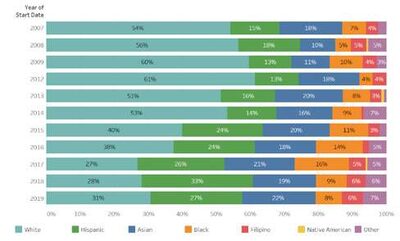
Figure 5- SFPD Hiring by Ethnicity/Race, 2007-2019 SFPD Hiring by Ethnicity/Race, 2007-2019
This data shows the racial composition of recruits entering the police academy. It was noted above in the Demographic Section, Figure 1 that Black/African Americans comprise 5.6% of the City and County of San Francisco. The chart below shows that the recruit classes at the SFPD Academy have met or exceed that rate for all but 1 year (2012) over the past 11 years. In 3 years, the proportion was at least double the rate of the resident population. (2015, 2016, and 2017, at 11%, 14% and 16%, respectively).
Image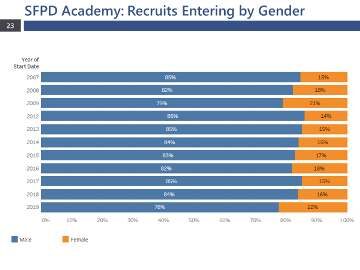
Figure 6- SFPD Hiring by Gender, 2007-2019 SFPD Hiring by Gender, 2007-2019
This data depicts the gender composition of recruit classes at the Academy from 2007 through 2019. There have been marked increases in the numbers of women recruits over the 11 year period. From 2013 through 2016 the percentage of females in the class rose each year from 15% to 18% in 2016. After a brief dip, there was another increase to 22% females in the 2019 class of recruits. Figure 6 Recruits Entering by Gender 200
Image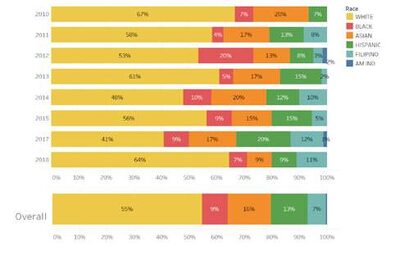
Figures 7- SFPD Promotion to Sergeant, 2010-2018 SFPD Promotion to Sergeant, 2010-2018
The pathway to promotion for sworn members begins with promotion from the rank of Officer to Sergeant. This data shows the racial composition of promotions over 8 years. Overall, Black/African American sworn members promoted at a 9% rate; Hispanic Americans 13%; and Asian Americans 16% to a Sergeant position.
Image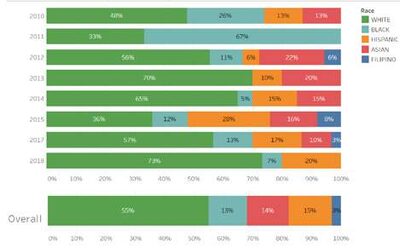
Figure 8- SFPD Promotion to Lieutenant, 2010-2018 SFPD Promotion to Lieutenant, 2010-2018
While Sergeants are the Supervisors of the organization, Lieutenants are mid-level managers, responsible for entire watches at a District Station, specialized Investigative Units, and specialized administrative units throughout the Department. Reaching the Lieutenant rank is critical to advancement to a Command Staff position. This data reflects at an overall rate over this 8 year period, Black/African American members were promoted at 13% (more than double there status in the Department); Hispanic Americans were promoted at a 15% rate; and Asian Americans were promoted at a 14% rate.
Image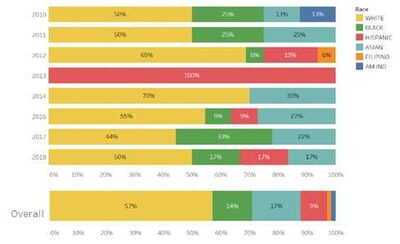
Figure 9- SFPD Promotion to Captain, 2010-2018 SFPD Promotion to Captain, 2010-2018
Captains are responsible for District Stations, large units such as the Airport, the Crime Lab, and general categories of Major Crimes. Promotion to Captain is the last commissioned rank in the department, meaning, higher ranks are all appointed by the Chief of Police. Therefore, promotion to this rank is the “last” competitive promotion rank. This data shows Black/African American members had an overall 14% promotion rate; Hispanics 9% overall promotion rate; Asians 17% promotion rate over the 8-year period from 2010 through 2019. Captain positions are dependent upon many factors such as annual retirements and department need.
Image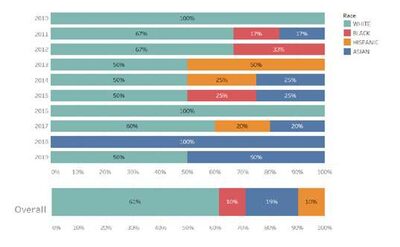
Figure 10- SFPD Promotion to Commander, 2010-2019 SFPD Promotion to Commander, 2010-2019
Commander is the next rank above Captain and is appointed by the Chief. In the 9-year period from 2010 through 2019 both Black /African Americans and Hispanic American promoted to this rank at 10%, and Asian American at 19%. It is important to note the Department has fewer positions at these higher ranks.
Image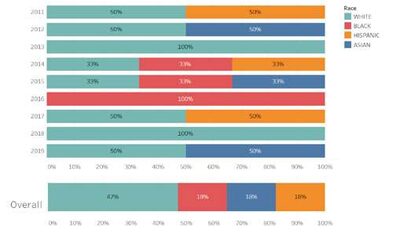
Figure 11-SFPD Promotion to Deputy Chief, 2010-2019 SFPD Promotion to Deputy Chief, 2010-2019
This position is the third highest rank in the Department, below Chief and Assistant Chief. Over the past nine years, Black/African American, Hispanic American, and Asian American members have promoted to this rank 18% overall.
Image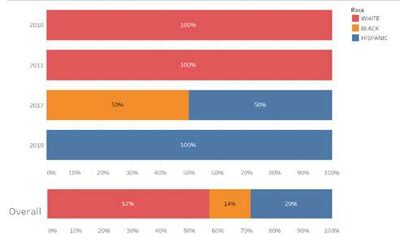
Figure 12- SFPD Promotion to Assistant Chief, 2010-2019 SFPD Promotion to Assistant Chief, 2010-2019
This data reflects that Black/African American members were promoted at an overall rate of 14%; Hispanic Americans 29%; and no Asian Americans over the 9 year period from 2010 through 2019.
Figure 13 - Vulnerable Population Served
San Francisco’s Police Department’s racial equity and inclusion strategies related to our external programming and community engagement will be shared in Phase II of our Racial Equity Action Plan. But below is a preliminary and brief assessment of our budgetary resources for our vulnerable population. SFPD will provide a more in-depth analysis in our Phase II Plan.
POPULATION: DV victims in Bayview at high lethality risk
STAKEHOLDER ENGAGEMENT: Partner with Department on Status of Women, District Attorney Office, Glide Memorial Church, APA Family Support Services, La Casa de las Madres, and Bayview YMCA
% OF BUDGET: ~$32,000 for FY21 from OVW Grant
CRITICAL ISSUES: Bayview district generates the highest rates of DV calls to police. Significant work has been done by all agencies involved to identify high lethality DV victims and connect them with services, including counseling, advocacy, legal assistance, and shelter
ACCOMPLISHMENTS: Implemented use of Honest Assessment Response Tool to help officers identify survivors who are at higher risk of being seriously injured due to domestic violence. During the first half of 2020, SVU investigated 243 DV lethality cases. SVU forwarded 120 cases to District Attorney’s Office for charges.
POPULATION: Persons suffering from substance abuse
% OF BUDGET: Naloxone received from DHCS
CRITICAL ISSUES: Overdose from opioids have skyrocketed in recent years, with fentanyl overdose deaths increasing 169% from 2018 to 2019.
ACCOMPLISHMENTS: With the assistance from the Naloxone Distribution Project, the Department was able to expand the supply of narcan to all members of Field Operations to help treat persons who may be suffering from a drug overdose. Although statistics are not available citywide, Tenderloin Officers have seen increased usage of nalaxone to save lives
POPULATION: Persons with limited English proficiency
STAKEHOLDER ENGAGEMENT: Peace Officer Standards and Training (POST)
% OF BUDGET: $185,424 grant from POST
CRITICAL ISSUES: Grant from POST for Limited English Proficiency (LEP) course. Over 22% of residents in San Francisco have LEP. Over 19% of residents statewide have LEP. Upon POST certification, LEP course would be available to members of SFPD and law enforcement personnel statewide.
ACCOMPLISHMENTS: This project is scheduled to begin in 4th quarter of 2020.
POPULATION: Persons with limited English proficiency
% OF BUDGET: $72,000
CRITICAL ISSUES: Language interpretation services
ACCOMPLISHMENTS: Facilitate ASL/BSL interpretation and language translation through mobile app Language Line
POPULATION: Deaf and Hard of Hearing Individuals
POPULATION: District 10 Residents
STAKEHOLDER ENGAGEMENT: California Partnership for Safe Communities, Street Violence Intervention Program, and Northeastern University
% OF BUDGET: $1.5m grant (w/ $1.5m match) from BSCC
CRITICAL ISSUES: Grant from BSCC to implement a violence deterrence program in District 10. SFPD will work with non-profits and university partners to provide crisis response, outreach, and case management to highest risk residents of gun violence
ACCOMPLISHMENTS: This project is scheduled to begin in 4th quarter of 2020.
POPULATION: Victims of hate crimes and prejudice-based incidents
STAKEHOLDER ENGAGEMENT: Community Engagement Division, District Attorney, Street Violence Intervention Program, San Francisco communities
% OF BUDGET: N/A
CRITICAL ISSUES: The newly created Community Liaison Unit will focus on supporting the community’s public safety needs and ensuring San Francisco’s diverse communities feel safe and comfortable working with the Police Department. The unit will work hand-in-hand with Mayor Breed’s Street Violence Intervention Program and community crime prevention programs. The officers will serve as a liaison between and in partnership with the SFPD District Stations, Investigations Bureau, the Media Relations Unit, the District Attorney’s Office, and the community, to improve the flow of communication on the status of cases and keep victims informed.
ACCOMPLISHMENTS: Newly created unit in October 2020.
POPULATION: Community at large
STAKEHOLDER ENGAGEMENT: Community Police Advisory Board members, San Francisco SAFE, District Stations, community at large
% OF BUDGET: N/A
CRITICAL ISSUES: Community Police Advisory Boards (CPABs) are comprised of civilian volunteers who live and/or work in a specific police district. A CPAB member’s role is to advise the district station Captain about public safety, crime and quality of life issues that affect their community. CPAB members play a vital role in communication and problem-solving efforts undertaken by district stations.
ACCOMPLISHMENTS: CPABs meet on a monthly basis with station Captains to discuss public safety, crime, and quality of life issues that are affecting their community.
POPULATION: Victims of Domestic Violence, Elder Abuse, Child Abuse & Exploitation or Sex Crime
STAKEHOLDER ENGAGEMENT: Special Victims Unit
Community Groups: La Casa de las Madres, Woman Against Rape, Institute of Aging, Trauma Recovery Center, San Francisco Child Abuse Prevention Center, W.O.M.A.N. Inc., Domestic Violence Consortium, Asian Pacific Islander Legal Outreach and S.F. Women Against Rape
% OF BUDGET: N/A
CRITICAL ISSUES: The Special Victims Unit handles crimes against the city’s most vulnerable residents.
ACCOMPLISHMENTS: The Special Victims Unit focuses on the sensitive nature of crimes where in the victims have suffered the effects of Domestic Violence, Elder Abuse, Child Abuse & Exploitation or Sex Crimes, Human Trafficking, Stalking, Sexual Offender Registration Program, Financial Crimes and Missing Persons and referrals to victims’ services.
POPULATION: Crisis Intervention Team
STAKEHOLDER ENGAGEMENT: CIT Mental Health Working Group: A group consisting of mental health service providers, advocates, community members, consumers of mental health services, their families, and representatives from City departments and agencies who work in partnership with and provide advice to the Police Department, through the CIT Coordinator, on crisis intervention training and policies.
% OF BUDGET: N/A
CRITICAL ISSUES: It is the Department’s policy to develop, implement and incorporate the CIT program within the district stations daily operations in a manner that prepares members to respond to persons in crisis incidents and, as a team, formulate a plan, establish rapport, and use de-escalation tactics (including tactical repositioning and creating time and distance), whenever possible. The goal of this order is to safely resolve person in crisis incidents without the use of force, whenever possible, and to refer persons in crisis to community mental health service providers or other resources, as appropriate.
POPULATION: Academy Classes
STAKEHOLDER ENGAGEMENT: Public outreach, job fairs, recruitment events, test preparation assistance
% OF BUDGET: $42.6m
CRITICAL ISSUES: Academy classes provide the most effective opportunity in advancing diversity.
POPULATION: DV victims in Bayview at high lethality risk
STAKEHOLDER ENGAGEMENT: Partner with Department on Status of Women, District Attorney Office, Glide Memorial Church, APA Family Support Services, La Casa de las Madres, and Bayview YMCA
% OF BUDGET: ~$32,000 for FY21 from OVW Grant
CRITICAL ISSUES: Bayview district generates the highest rates of DV calls to police. Significant work has been done by all agencies involved to identify high lethality DV victims and connect them with services, including counseling, advocacy, legal assistance, and shelter
ACCOMPLISHMENTS: Implemented use of Honest Assessment Response Tool to help officers identify survivors who are at higher risk of being seriously injured due to domestic violence. During the first half of 2020, SVU investigated 243 DV lethality cases. SVU forwarded 120 cases to District Attorney’s Office for charges.
POPULATION: Persons suffering from substance abuse
% OF BUDGET: Naloxone received from DHCS
CRITICAL ISSUES: Overdose from opioids have skyrocketed in recent years, with fentanyl overdose deaths increasing 169% from 2018 to 2019.
ACCOMPLISHMENTS: With the assistance from the Naloxone Distribution Project, the Department was able to expanded the supply of narcan to all members of Field Operations to help treat persons who may be suffering from a drug overdose. Although statistics are not available citywide, Tenderloin Officers have seen increased usage of nalaxone to save lives
POPULATION: Persons with limited English proficiency
STAKEHOLDER ENGAGEMENT: Peace Officer Standards and Training (POST)
% OF BUDGET: $185,424 grant from POST
CRITICAL ISSUES: Grant from POST for Limited English Proficiency (LEP) course. Over 22% of residents in San Francisco have LEP. Over 19% of residents statewide have LEP. Upon POST certification, LEP course would be available to members of SFPD and law enforcement personnel statewide.
ACCOMPLISHMENTS: This project is scheduled to begin in 4th quarter of 2020.
POPULATION: District 10 Residents
STAKEHOLDER ENGAGEMENT: California Partnership for Safe Communities, Street Violence Intervention Program, and Northeastern University
% OF BUDGET: N/A
CRITICAL ISSUES: Grant from BSCC to implement a violence deterrence program in District 10. SFPD will work with non-profits and university partners to provide crisis response, outreach, and case management to highest risk residents of gun violence
ACCOMPLISHMENTS: This project is scheduled to begin in 4th quarter of 2020.
POPULATION: Victims of hate crimes and prejudice-based incidents
STAKEHOLDER ENGAGEMENT: Community Engagement Division, District Attorney, Street Violence Intervention Program, San Francisco communities
% OF BUDGET: N/A
CRITICAL ISSUES: The newly created Community Liaison Unit will focus on supporting the community’s public safety needs and ensuring San Francisco’s diverse communities feel safe and comfortable working with the Police Department. The unit will work hand-in-hand with Mayor Breed’s Street Violence Intervention Program and community crime prevention programs. The officers will serve as a liaison between and in partnership with the SFPD District Stations, Investigations Bureau, the Media Relations Unit, the District Attorney’s Office, and the community, to improve the flow of communication on the status of cases and keep victims informed.
ACCOMPLISHMENTS: Newly created unit in October 2020.
POPULATION: Community at large
STAKEHOLDER ENGAGEMENT: Community Police Advisory Board members, San Francisco SAFE, District Stations, community at large
% OF BUDGET: N/A
CRITICAL ISSUES: Community Police Advisory Boards (CPABs) are comprised of civilian volunteers who live and/or work in a specific police district. A CPAB member’s role is to advise the district station Captain about public safety, crime and quality of life issues that affect their community. CPAB members play a vital role in communication and problem-solving efforts undertaken by district stations.
ACCOMPLISHMENTS: CPABs meet on a monthly basis with station Captains to discuss public safety, crime, and quality of life issues that are affecting their community.
POPULATION: Victims of Domestic Violence, Elder Abuse, Child Abuse & Exploitation or Sex Crime
STAKEHOLDER ENGAGEMENT: Special Victims Unit
Community Groups: La Casa de las Madres, Woman Against Rape, Institute of Aging, Trauma Recovery Center, San Francisco Child Abuse Prevention Center, W.O.M.A.N. Inc., Domestic Violence Consortium, Asian Pacific Islander Legal Outreach and S.F. Women Against Rape
% OF BUDGET: N/A
CRITICAL ISSUES: The Special Victims Unit handles crimes against the city’s most vulnerable residents.
ACCOMPLISHMENTS: The Special Victims Unit focuses on the sensitive nature of crimes where in the victims have suffered the effects of Domestic Violence, Elder Abuse, Child Abuse & Exploitation or Sex Crimes, Human Trafficking, Stalking, Sexual Offender Registration Program, Financial Crimes and Missing Persons and referrals to victims’ services.
POPULATION: Academy Classes
STAKEHOLDER ENGAGEMENT: Public outreach, job fairs, recruitment events, test preparation assistance
% OF BUDGET: $42.6m
CRITICAL ISSUES: Academy classes provide the most effective opportunity in advancing diversity.
- Racial Equity Action Plan Template Key
ACTIONS: specific acts to accomplish to achieve departmental goals
RESOURCES COMMITTED: what is needed to perform actions; financial, human, and/or material
INDICATORS: quantifiable measure of an action’s success; how much, how well, or is anyone better off?
TIMELINE: dates denoting the start and end of the action
IMPLEMENTATION: detailed plan on how the action will be accomplished; month, quarter, and/or year
STATUS: the action’s current status, updated regularly [ongoing | in-progress | completed | not started]
LEAD: staff, committee, or body responsible for the action and/or accountable for its completion
- Abbreviations
ADA: Americans with Disabilities Act
ASL: American Sign Language
BIPOC: Black, Indigenous, and People of Color
BSCC: Board of State and Community Corrections
CED: Community Engagement Division
CDG: Career Development Guide
CPAB: Community Police Advisory Boards
CRI: Collaborative Reform Initiative
DGO: Department General Order
DHR: Department of Human Resources
DN: Department Notice
DSW: Disaster Service Workers
DV: Domestic Violence
E&I: Equity and Inclusion
EEO: Equal Employment Opportunity
ESER: Earthquake Safety and Emergency Response
IAD: Internal Affairs Division
IT: Information of Technology
LDI: Leader Development Institution
LEP: Language English Proficient
MQ: Minimum Qualifications
ORE: Office of Racial Equity
PEG: Police of Employee Groups
POST: Peace Officer Standards and Training
PPE: Personal Protective Equipment
PTO: Paid Time off
REAP: Racial Equity Action Plan
RES: Recruitment Event Summary
RU: Recruitment Unit
SDU: Staffing and Deployment Unit
SFHSS: San Francisco Health Service System
SFPD: San Francisco Police Department
SFUSD: San Francisco Unified School District
SOB: Special Operations Bureau
- Glossary
Diversity: The concept of diversity encompasses acceptance and respect. It means understanding that each individual is unique, and recognizing our individual differences. These can be along the dimensions of race, ethnicity, gender, sexual orientation, socioeconomic status, age, physical abilities, religious beliefs, political beliefs, or other ideologies. It is the exploration of these differences in a safe, positive, and nurturing environment. It is about understanding each other and moving beyond simple tolerance to embracing and celebrating the rich dimensions of diversity contained within each individual (Queensborough Community College, 2020).
People of Color: inclusive and unifying term for persons who do not identify as White, who have been historically and systemically disadvantaged by institutionalized and interpersonal racism (Office of Racial Equity Legislation, 2019)
Race: social and political construct that artificially divides people into distinct groups based on characteristics such as physical appearance (particularly color) ancestral heritage, cultural affiliation, cultural history, ethnic classification, and the social, economic, and political needs of a society at a given period of time, Racial categories subsume ethnic groups (Office of Racial Equity Legislation, 2019)
Racial Equity: systemic fair treatment of people of all Races that results in equal outcomes, while recognizing the historical context and systemic harm done to specific racial groups (Office of Racial Equity Legislation, 2019)
Racial Equity Disparities: condition where one racial group systemically and disproportionately experiences worse outcomes in comparison to another racial group or groups. Racial disparities may occur in a range of areas, including but not limited to education, employment, wealth, policing, criminal justice, health, transportation, housing, and homelessness (Office of Racial Equity Legislation, 2019)
Racial Equity Framework: document outlining the City’s vision, goals, and overarching strategies to address structural Racism and Racial Disparities, and advance Racial Equity in the City, with a focus on the work of City government. It should provide guidelines for addressing implicit and explicit bias, addressing individual, institutional, and structural Racism, and advocating for more inclusive policies and practices that reduce
Racial Disparities and promote Racial Equity. The Racial Equity Framework shall set forth a vision for Racial Equity in the City and include goals and strategies to advance Racial Equity and address structural Racism and Racial Disparities. The framework shall also include metrics by which departments, through ensuing Racial Equity Action Plans, can measure performance to address racial disparities within the department’s workforce, service provision, grants, and contracts (Office of Racial Equity Legislation, 2019)
Racism: radical prejudice and/or discrimination, which may be supported intentionally or unintentionally by institutional power and authority, used to the advantage of one of more Races and the disadvantage of one or more other Races (Office of Racial Equity Legislation, 2019)
- Acknowledgments
This Racial Equity and Inclusion Action Plan (REAP) was coordinated and led by Director Tiffany Sutton, Crime Strategies Division and Racial Equity and Inclusion Coordinator and her team Lieutenant Wilfred Williams, Officer William “Bill” Ahern, Jeanne Chisholm, Pamela Dungo, and Ramneet Bajwa.
The SFPD’s Racial Equity and Inclusion Strategic Team included Commanders Steve Ford, Robert O’Sullivan, Daryl Fong, and Directors Patrick Leung, Diana Oliva-Aroche, and Manager Jason Cunningham, who contributed to the research and collection of information to inform the Department’s strategies. The REAP also benefitted from the hard work and analysis of SFPD’s Racial Equity Leaders, Captain Jack Hart, Sergeant Torrie Grady, Officer Alberto Durante, Benjamin Houston, Sergeant Christina Serrano, Sergeant Katherine Holder, Luciana Ng, Steven Betz, Katie Lee, Penny Si, Lili Gamero, Anthony Tave, Celeste Berg, Tony Chow and Diloromkhon Osorio.
This REAP could not have been completed without the leadership and support of SFPD’s Executive Team, Chief William “Bill” Scott, Assistant Chiefs Michael Redmond and Robert Moser, Deputy Chief Gregory Yee, and Executive Director Catherine McGuire.
A special thanks to Captain Trenia Wearing, Director Matt Dorsey, Sergeant Francis Graves, Acting Captain Yulunda Williams, Officer Jason Johnson, Thau Long, SFPD Media Relations, and Mike Ortiz, from Repro who designed the layout and format of the REAP.
A special appreciation extends to all SFPD members (both sworn and professional staff) who contributed to the REAP by either gathering information, filling out the Department’s Racial Equity and Inclusion survey, participating in focus groups, or sharing experiences and suggestions through informal conversations on ways to improve the Department’s Racial Equity and Inclusion Strategies. Because of all these efforts, contributions, leadership, and hard work, SFPD is moving toward a more equitable and inclusive Department for all its members and the communities we Serve and Protect.